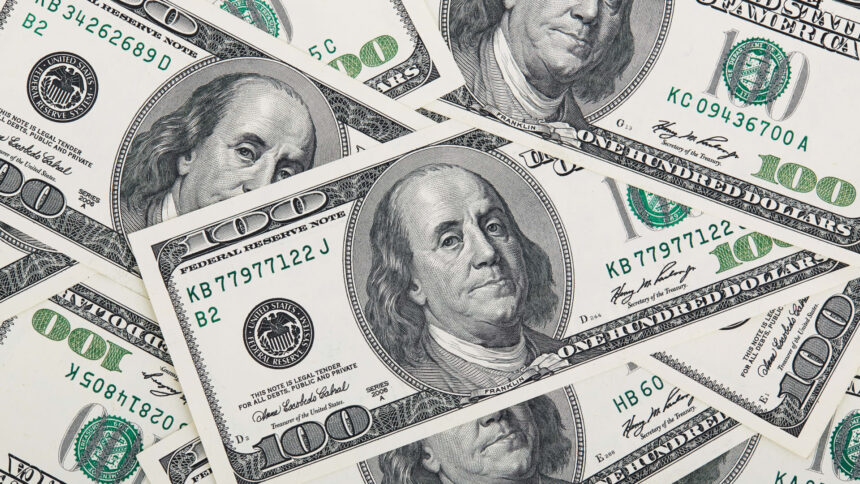
The U.S. dollar exhibited a steady performance in early Asian trading on Friday, reflecting the growing demand for safe-haven assets amid the escalating conflict in the Middle East. The dollar is poised to achieve its steepest weekly gain in over a year, driven by heightened tensions and economic concerns stemming from the situation.
As oil prices surged, the euro and yen lagged, affected by inflation risks in nations heavily reliant on energy imports. The ongoing crisis has disrupted previous hopes for a de-escalation in the region, leaving traders and economists wary of how long the turmoil might last. Recently, Israel conducted significant air strikes in Hezbollah-held areas of southern Beirut and initiated a broad-scale offensive targeting Tehran’s infrastructure. In retaliation, Iran claimed responsibility for missile strikes aimed at the heart of Tel Aviv.
U.S. President Donald Trump expressed his desire to influence the selection of Iran’s next leadership following the death of Supreme Leader Ali Khamenei, which occurred during the early exchanges of fire in the conflict. He also encouraged Kurdish forces in Iraq to escalate attacks against Iranian targets, further complicating the geopolitical landscape.
Lee Hardman, a senior currency analyst at MUFG, indicated that the dollar’s near-term strengthening would largely depend on the scale of the ongoing energy price shock. Hardman stated, “If we were to see oil prices continue to jump higher and remain higher for longer, then that would be most supportive for a stronger dollar.” Conversely, indications of a resolution to the conflict or a subsequent decline in oil prices could reverse the dollar’s recent gains.
The dollar index, which measures the greenback against a basket of currencies, traded slightly higher at 99.14, heading toward a 1.5% weekly gain—the highest since November 2024. Meanwhile, the euro fell by 0.16% to $1.159, anticipating a 1.9% decline this week, the largest since September 2022. The yen also saw a minor decrease, trading at 157.77 per dollar, while the British pound edged down to $1.3347.
Market analysts noted that many clients were reducing their risk exposure across both G10 and emerging market currencies, reflecting a cautionary stance amid the growing uncertainty. Nathan Swami, head of FX trading for Citi in Singapore, remarked on the shifting dynamics in currency markets.
The rise in energy prices attributed to the Iran conflict has fueled fears of a renewed inflationary cycle, leading to adjustments in interest rate forecasts from major central banks. Traders appear to have postponed expectations for a Federal Reserve easing, with future rate cuts now appearing less likely. Additionally, anticipated rate cuts by the Bank of England have also been pushed back, while the likelihood of the European Central Bank raising rates this year has increased.
As the market absorbed the implications of geopolitical tensions, attention also turned to upcoming economic indicators, particularly the U.S. employment report expected in February. Economists surveyed by Reuters predicted a nonfarm payroll increase of 59,000 jobs, a decline from January’s 130,000 rise, while the unemployment rate was anticipated to remain steady at 4.3%. A stronger-than-expected jobs report could further contribute to a recalibration of Fed rate cut expectations and potentially lead to a selloff in global bond markets alongside additional dollar strength.
Recent data indicated that the number of Americans filing new unemployment benefits remained unchanged last week, and layoffs saw a significant decrease in February, suggesting the labor market is maintaining stability despite broader economic concerns.