The latest report from the Bureau of Labor Statistics indicates that the cost of goods and services in the U.S. rose at a slower annual rate in January than had been anticipated, raising hopes that persistent inflation may be easing. The consumer price index (CPI) showed an increase of 2.4% compared to the same period last year, a decrease of 0.3 percentage point from December. This marks a return to levels last seen shortly after former President Donald Trump imposed aggressive tariffs on U.S. imports in April 2025. When excluding food and energy, the core CPI rose 2.5%.
Economists had predicted an annual inflation rate of 2.5% for both the overall and core readings. Month-over-month, the all-items index climbed 0.2% on a seasonally adjusted basis, while the core CPI saw a slightly higher gain of 0.3%. Both figures had been forecasted at 0.3%.
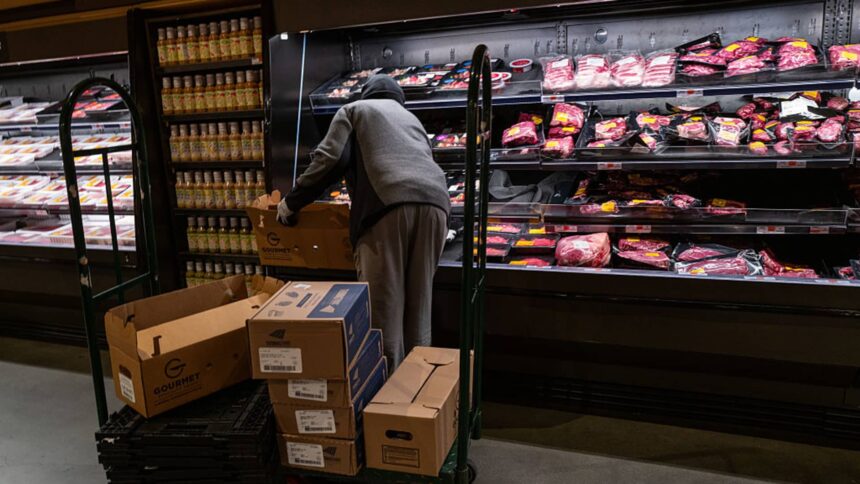
A significant contributor to the CPI increase was shelter costs, which rose just 0.2% for the month, leading to an annual increase of 3% in that category. Food prices also saw a modest rise of 0.2%, with five out of six major grocery group categories experiencing increases. In contrast, energy prices declined by 1.5%, and vehicle prices remained subdued, with new vehicle prices up by only 0.1% while used cars and trucks saw a more significant drop of 1.8%.
Following the report, stock market futures reacted minimally, but Treasury yields fell. Heather Long, chief economist at Navy Federal Credit Union, remarked, “This is great news on inflation,” noting that it marked the lowest level since May. She highlighted that the cooling costs of essential items such as food, gas, and rent would provide much-needed relief for middle-class families.
The unexpectedly low inflation reading has strengthened the market’s outlook for potential interest rate cuts by the Federal Reserve. According to the CME Group’s FedWatch tool, traders have raised the probability for a rate cut in June to approximately 83%. This report adds complexity to the current economic landscape. Despite a sluggish start to 2025, the U.S. has shown remarkable resilience, with fourth-quarter economic growth recorded at 3.7%, as per the latest update from the Atlanta Fed’s GDPNow tracker.
Nonetheless, inflation continues to exceed the Federal Reserve’s annual target of 2%, despite stable energy prices. Additionally, Fed officials remain wary about the labor market, which added an average of only 15,000 jobs per month last year. Although consumer spending displayed resilience throughout the year, it unexpectedly plateaued as the holiday season approached.
Predictions surrounding Trump’s tariffs anticipated inflationary pressures; however, the effects have largely been confined to certain goods. Given the mixed economic signals, it is expected that the Fed will hold off on further rate cuts following a series of three reductions in late 2025. The central bank faces shifting dynamics this year, led by a diverse group of regional presidents and the chair-designate, Kevin Warsh, who is likely to advocate for lower rates.
In a televised interview, Treasury Secretary Scott Bessent expressed optimism about an impending “investment boom” acting as a supportive factor for the economy, predicting that inflation would align with the Fed’s target by mid-year. He emphasized the need to move away from the notion that growth must be curtailed, arguing that growth itself is not inherently inflationary unless it occurs in areas where supply is insufficient.
The January inflation report experienced delays due to a partial government shutdown, and while the Fed primarily monitors inflation through the personal consumption expenditures price index from the Commerce Department, the release of the December data is expected on February 20.