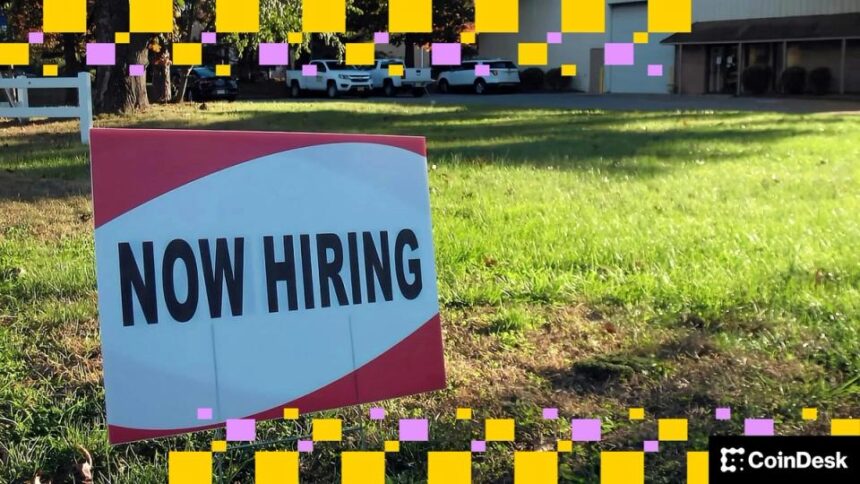
The U.S. job market experienced a significant downturn in February, with a loss of 92,000 jobs as reported by the Bureau of Labor Statistics. This stark decline contrasts sharply with the expectations of economists, who had predicted an increase of 59,000 new jobs following a gain of 126,000 in January. The unemployment rate also saw an uptick, rising to 4.4%, surpassing the anticipated 4.3% and above January’s rate of 4.3%.
In the financial markets, the negative job report exerted downward pressure on various assets. Bitcoin experienced slight volatility, dipping to around $70,000 just before the news was released, and remaining near that level afterward. U.S. stock index futures reflected this bearish sentiment, with the Nasdaq index dropping by 1% and the S&P 500 falling by 0.8%. The yield on the 10-year Treasury bond saw a decrease of four basis points, settling at 4.11%.
In a contrasting trend, precious metals regained strength after an initial decline, with gold prices rising by 1% and silver by 2%. Meanwhile, crude oil prices surged by 6.2%, reaching $86 per barrel, driven in part by escalating tensions in the Middle East.
Prior to the jobs report, market analysts had placed a high probability—95%—that the Federal Reserve would maintain current interest rates at its upcoming March 18 meeting. There was also an 85% likelihood that no rate cut would occur in April. However, as inflation concerns loom due to rising energy costs linked to these geopolitical tensions, the outlook for monetary policy may shift dramatically. Sustained increases in oil prices could exacerbate inflationary pressures, particularly affecting energy and food prices.
This combination of factors may lead financial markets to reevaluate the future trajectory of monetary policy, especially against a backdrop of a potentially re-accelerating U.S. economy. As stakeholders absorb the implications of the February job report and the interconnected issues of inflation and energy prices, the coming weeks will be crucial for the Federal Reserve’s policy decisions and market reactions.