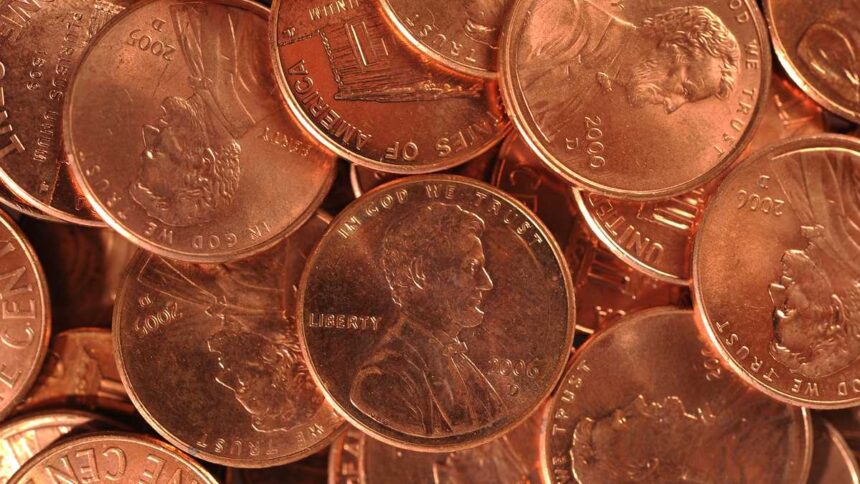
The U.S. Mint has officially halted penny production, prompting a wave of adjustments among businesses trying to navigate the implications for pricing. At Kwik Star, Vice President of External Relations John McHugh emphasized the significance of cash transactions, noting that 17% of the company’s sales are made in cash. Although this figure might seem modest, it translates to a substantial number of transactions affected by the absence of pennies.
McHugh explained that a recent penny shortage in Kwik Star’s Wisconsin stores necessitated a policy shift. To avoid shortchanging customers, the company adopted a rounding strategy for cash payments, opting to round down rather than up. For instance, if a customer’s bill totals $7.37, they would pay $7.35; if the bill is $7.41, it would round down to $7.40. This new policy is expected to be implemented soon across the company’s Iowa locations.
As various businesses grapple with the end of penny production, many are deliberating on whether to round payments up or down. Several have also raised concerns about how changes in rounding might influence sales tax calculations and their overall profitability. McHugh relayed that implementing a company-wide rounding down policy is anticipated to cost Kwik Star approximately $3 million this year, although he reassured customers that the company will not raise prices to offset these losses.
In addition to businesses, banks are also fielding questions regarding the new dynamics. Devin Boyer, market president of MidWestOne Bank, clarified that while pennies are no longer being minted, they remain in circulation and can still be used for transactions. The bank has provided guidance for businesses adjusting to the change, emphasizing the importance of acting promptly. Recommendations include auditing coin inventories and modifying point-of-sale systems to accommodate cash rounding.
Boyer also encouraged individuals with spare change, particularly those with jars filled with pennies, to bring their coins to the bank. MidWestOne Bank is prepared to assist by counting and rolling these coins, helping to ensure that pennies remain in circulation despite the cessation of their production.