U.S. senators reconvened Tuesday to resume discussions on a crucial cryptocurrency bill designed to establish a regulatory framework for digital assets. Sources familiar with the situation confirmed that while ongoing debates continue between Democratic and Republican negotiators, no new agreements were reached during this session.
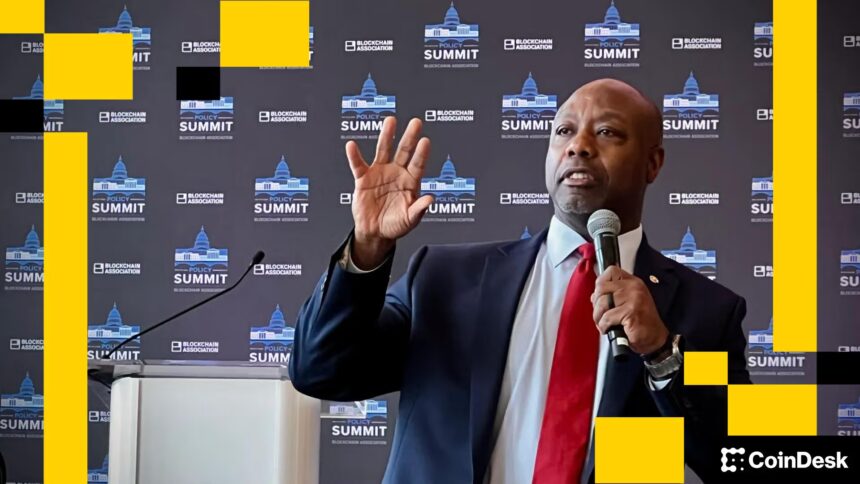
Senator John Kennedy informed Punchbowl News that Tim Scott, chairman of the Senate Banking Committee, is aiming for a bill markup scheduled for January 15. It is expected that the committee will need to release an updated draft before this markup occurs, as the last draft was circulated several months ago.
The ongoing legislative effort comes after a prolonged period of negotiations that fell short last year. As the Senate begins this process anew, lawmakers are faced with an already tight calendar filled with political challenges. In particular, discussions surrounding President Donald Trump’s actions regarding Venezuela are currently dominating the Senate’s attention, along with an impending January 30 deadline for a federal spending plan to avert a potential government shutdown.
The prospect of a markup next week could relieve some of the budgetary pressures lawmakers are currently facing; however, achieving bipartisan support will be a complex challenge, especially if key points of contention remain unresolved. Democrats have been vocal in their demands for ethical standards to be included in the crypto legislation, aiming to prevent senior government officials from benefiting from digital asset market activities, similar to the situation involving President Trump. Additionally, they seek regulations targeting decentralized finance (DeFi) platforms and limits on crypto yield, which may enable the sector to compete directly with traditional banks.
These sticky issues could serve as deal-breakers for industry support, even as members from both parties express a desire to reach an agreement. Should Senator Kennedy’s timeline for a markup materialize, it may compel Democratic negotiators to oppose any proposal that lacks comprehensive consensus on these crucial aspects.
David Sacks, a key figure in Trump’s crypto initiative, hinted at a potential January markup in a social media post, although Scott has not publicly confirmed this commitment. The need for urgent action on crypto regulation is amplified by several forces. The House of Representatives has already passed its own Digital Asset Market Clarity Act, leaving the Senate under pressure to act in order to establish a cohesive regulatory stance for the cryptocurrency market. The impending spending deadline adds another layer of urgency, particularly in light of the recent 43-day government shutdown.
In a related development, the banking sector has reiterated its interest in leveraging the current bill to revisit last year’s Guiding and Establishing National Innovation for U.S. Stablecoins (GENIUS) Act, thereby addressing contentious regulations around yield payments on stablecoins. This effort has sparked a continued lobbying war between the banking and crypto industries, with the outcome of Senate negotiations likely to significantly influence which sector gains the upper hand in the evolving landscape of digital finance.