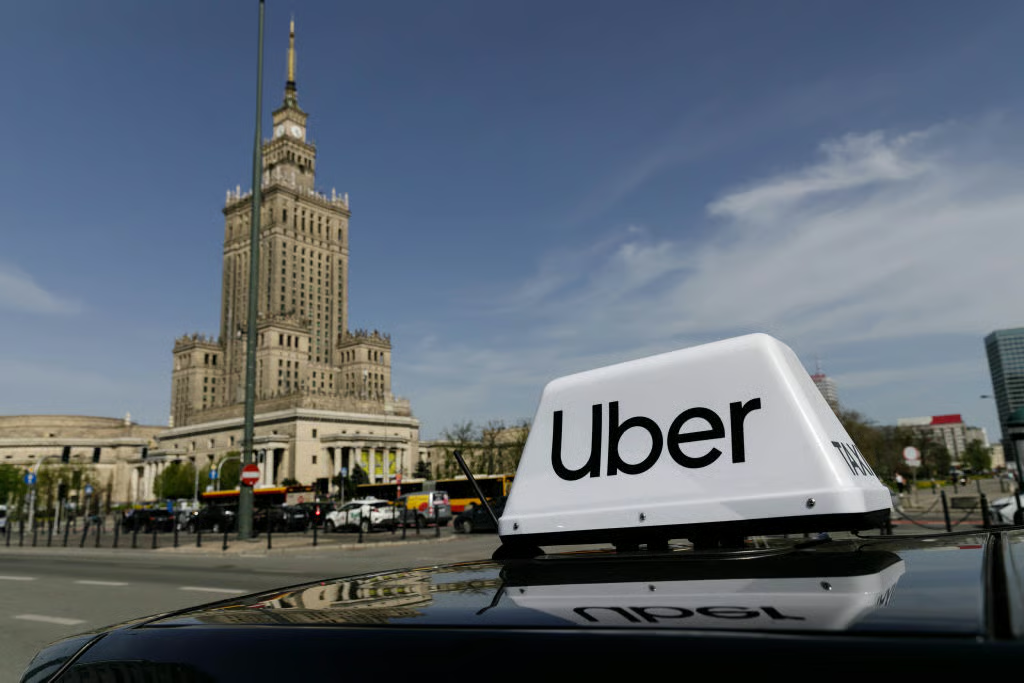
Shares in Uber, a leading player in the mobility and delivery sector, have seen a rise of 57% since late December 2020. While this figure might appear modest, especially when compared to the doubling of the S&P 500 index during the same timeframe, Uber remains a significant disruptor in the ride-hailing industry.
Despite a challenging macroeconomic environment that has pressured many consumer-focused businesses, Uber has demonstrated impressive resilience. In the third quarter of 2025, the company reported revenue growth of 20% and gross bookings up 21% year-over-year. Additionally, Uber recorded 3.5 billion trips during the quarter, reflecting a 22% increase from the previous year. With 189 million monthly active users, the scale of Uber’s operation is substantial.
Profitability is also on the rise, with Uber generating $1.1 billion in operating income last quarter, resulting in an 8% operating margin. The company is generating significant free cash flow, strengthening its financial position. Looking ahead, Uber’s management has presented a promising three-year outlook, projecting an earnings before interest, taxes, depreciation, and amortization (EBITDA) compound annual growth rate of between 30% and 40%. This underscores the belief that Uber’s growth potential remains robust.
Moreover, Uber’s core services are complemented by opportunities in adjacent sectors, such as grocery and retail delivery. This diversification could drive further engagement on the Uber platform. The growth of Uber One subscriptions also presents a chance to increase the number of loyal, active users.
However, the rise of autonomous vehicles presents a potential threat to Uber’s long-term viability. Industry leaders such as Tesla and Alphabet’s Waymo are making strides in the robotaxi space, which could eventually lower costs for consumers and reshape the ride-hailing landscape. If consumers begin to prefer these autonomous services due to safety and cost advantages, Uber could face significant competition.
Nevertheless, partnerships between Uber and various autonomous vehicle companies provide a silver lining. By integrating their technologies with Uber’s established platform, these AV firms can scale more rapidly, offering a synergy that may benefit Uber’s future.
From a financial perspective, Uber is currently trading 18% below its October peak, with a forward price-to-earnings (P/E) ratio of 19.5. Given the company’s brand recognition, technological prowess, and extensive user base, it presents a compelling investment case. Analysts believe that despite the challenges ahead, Uber has the right tools to navigate the evolving market landscape, leading to the possibility of outperforming broader market trends over the next five years.