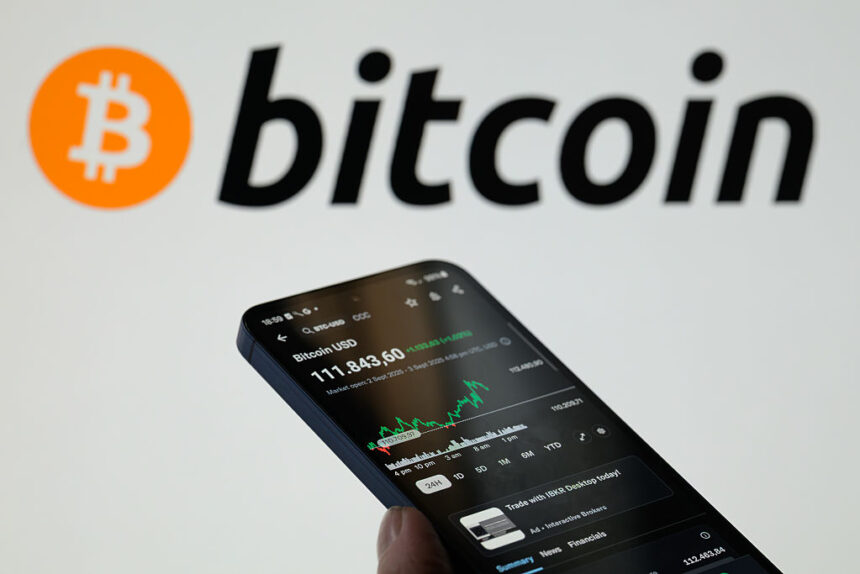
On October 8, UK retail investors will regain access to Bitcoin exchange-traded notes (ETNs) listed on the London Stock Exchange, marking a significant regulatory shift. The Financial Conduct Authority (FCA), which had imposed a ban on such investments in 2020, cited concerns over the reliability of cryptocurrency valuations for retail consumers, highlighting issues such as financial crime, market volatility, and lack of consumer understanding.
At the time of the ban, the FCA emphasized that many crypto assets posed a risk of sudden and substantial losses for uninformed investors. However, the regulatory landscape has evolved significantly since then. In the years following the ban, Bitcoin emerged as an established institutional asset, with active futures markets and the introduction of exchange-traded funds (ETFs) in other countries, including notable success in the United States.
The FCA’s change in stance comes after a period of relative calm in the Bitcoin market, with the regulator recognizing that the UK had become an outlier in its cautious approach. The FCA stated that lifting the ban on crypto ETNs for retail investors demonstrates a commitment to fostering growth and competitiveness within the UK crypto industry. The regulator reiterated that investments in such high-risk products could potentially lead to total losses, but emphasized the importance of allowing consumers to make informed choices.
As Bitcoin’s market stability has improved over the years, its volatility has decreased in comparison to traditional assets. Innovations stemming from Bitcoin, including stablecoins and decentralized finance (DeFi) products, have further integrated crypto into mainstream financial systems. The FCA acknowledged that banning innovative financial products could jeopardize London’s status as a global financial center.
Bitcoin’s rising profile has raised questions about its value and purpose. Many believe that its high correlation with the technology sector distinguishes it as a unique asset class, akin to a digital reserve. The liquidity of Bitcoin is noteworthy, with daily trading volumes considerably outpacing many traditional stocks.
The price trajectory of Bitcoin has also shifted dramatically from £8,189 at the time of the FCA’s ban to around £84,497 today. This significant increase might have contributed to the regulator’s reevaluation of the asset, as traditional investors seek opportunities in crypto despite inherent risks.
In response to consumer concerns, a balanced investment approach may offer a safer route. Options such as the 21Shares Bitcoin and Gold ETP provide exposure to both Bitcoin and gold, thus mitigating potential losses by diversifying assets.
With the market landscape changing, the FCA’s decision opens the door for UK retail investors to engage with Bitcoin more freely, reflecting a broader acceptance of cryptocurrency within the financial framework.