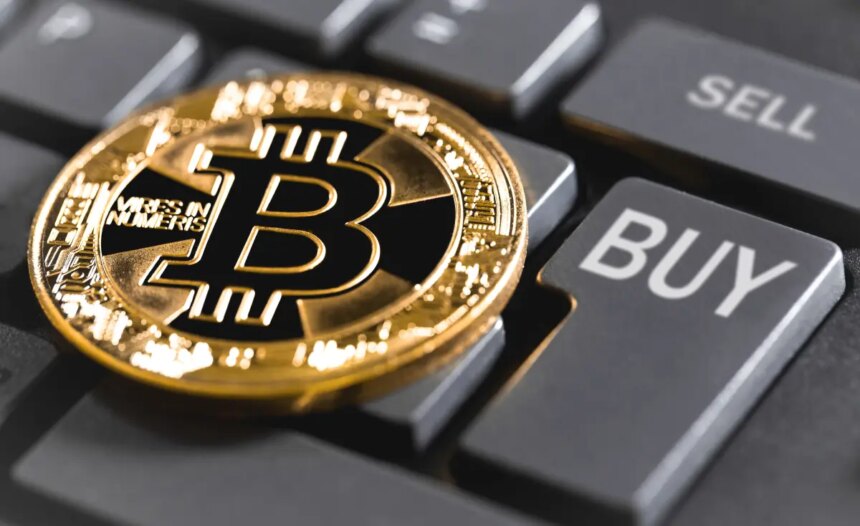
As Bitcoin hovers around the $68,000 mark in late March 2026, the cryptocurrency showcases its characteristic volatility, evoking a mix of excitement and trepidation among potential investors. This week has underscored that Bitcoin’s price movements can be as erratic as a sports car on rainy roads.
For newcomers, understanding Bitcoin can be daunting. Unlike traditional stocks, where ownership comes with shares in a company overseen by a CEO with tangible assets and quarterly reports, Bitcoin operates in an entirely different realm. It is a digital asset recorded on a blockchain—a decentralized ledger maintained by a widespread network of computers. These transactions are bundled into “blocks” and verified by miners, who are rewarded with new Bitcoin for their efforts.
A critical selling point for Bitcoin is its capped supply. Limited to 21 million coins, it mimics the scarcity of commodities like gold, suggesting that it cannot be artificially inflated by central banks before elections or in reaction to economic downturns. This fixed supply is a significant reason why proponents view Bitcoin as a form of “digital gold.”
Regulatory considerations add another layer of complexity. Different government agencies classify Bitcoin differently; the Commodity Futures Trading Commission (CFTC) regards it as a commodity, whereas the Securities and Exchange Commission (SEC) has approached it with caution. While recent approvals for Bitcoin Exchange-Traded Products (ETPs) signal growing acceptance, the SEC remains wary, emphasizing its speculative nature.
Investors often face a choice in how they hold their Bitcoin. Some, dubbed “purists,” prefer to store their assets directly in personal wallets, managing their own keys—an option that grants them full control but poses the risk of total loss if the keys are misplaced. Others take a more pragmatic approach, using brokerage platforms to buy Bitcoin, balancing convenience and institutional security against the loss of direct ownership.
In recent discussions on Wall Street, Bitcoin’s role in investment portfolios has shifted. Instead of viewing it as a potential dollar replacement, analysts now explore its impact on retirement accounts and risk management. Fidelity’s research highlights that even a minimal 1% allocation to Bitcoin can significantly alter a portfolio’s volatility, advising caution and thorough understanding before investing.
As the early months of 2026 unfold, Bitcoin’s image oscillates between an alluring opportunity and a high-risk venture. It is essential for potential investors to clarify their motives—whether seeking rapid riches or considering a small allocation to a volatile alternative asset that offers potential rewards despite inherent risks.
For those curious about Bitcoin’s classification, it is considered a commodity by regulatory bodies, lacking dividends or interest like stocks or bonds. When purchasing on platforms like SoFi, investors buy actual Bitcoin, while purchasing a Bitcoin ETF through a traditional brokerage means buying shares of a fund that holds Bitcoin. Furthermore, buying Bitcoin doesn’t require acquisition of a whole coin; it can be purchased in smaller fractions called “satoshis.”
Finally, if an investor incurs losses, it’s important to note that Bitcoin is treated as property for tax purposes. Losses can potentially offset other capital gains, offering some relief. As always, consulting a tax professional is advisable for tailored guidance.