Flags flew at half-staff outside the UnitedHealthcare corporate headquarters in Minnetonka, Minnesota, as the company marked the anniversary of a tragic event that has left a significant mark on the healthcare industry. On December 4, 2024, CEO Brian Thompson was shot and killed on the streets of New York City, an incident that rattled consumers and investors alike. The shock of this violence highlighted deep-seated frustrations over rising healthcare costs and issues with denied claims, further compounding an ongoing crisis in the sector.
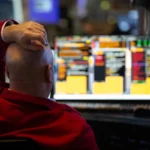
In the wake of Thompson’s death, the administration was plunged into a public relations disaster, with UnitedHealth Group, the parent company of UnitedHealthcare, experiencing a 44% drop in share prices over the year. This financial decline occurred in contrast to the broader stock market’s tech-driven recovery, and the healthcare sector has struggled to regain its footing.
Julie Utterback, a senior equity analyst with Morningstar, noted that prior to the tragic event, UnitedHealth was viewed as a stable investment. However, the unfolding crisis underscored the dissatisfaction felt by both consumers and investors. Health insurance coverage is becoming increasingly unaffordable, with escalating costs for both Affordable Care Act plans and employer-sponsored insurance set to rise next year. This scenario is particularly dire given that the U.S. has the highest healthcare costs among developed nations.
Data reveals that nearly half of U.S. adults now anticipate potential inaccessibility to necessary healthcare, prompting families like that of Jennifer Blazis to postpone medical procedures due to financial worries. Blazis, a mother of four living in Colorado Springs, highlighted the ongoing dilemma of weighing medical needs against escalating costs, even with robust insurance coverage.
The company has faced additional challenges this year, including regulatory scrutiny and a wave of investor skepticism. UnitedHealth’s competitors have also felt the impact, trampling the reputation of what was once considered a safe investment sector. Analysts predict continued volatility and stress across the healthcare industry, which Katherine Hempstead from the Robert Wood Johnson Foundation described as being at an “inflection point.”
The costs for health services are increasing, driven by a variety of factors such as new cancer treatments and a resurgence in demand for medical care as people emerge from pandemic-related hesitancies. This rising demand gives healthcare providers a significant opportunity to increase prices across the board.
UnitedHealth Group, a significant player in the healthcare marketplace, has been entangled in rising costs related to its Medicare Advantage plans. Once a lucrative area for private insurers, these programs now find the company under scrutiny, including a Department of Justice investigation. The corporate restructuring under a newly appointed CEO aims to shed some of the burdens, seeking to alleviate their patient base by approximately one million Medicare beneficiaries.
Despite the turbulent year, there are indicators of potential recovery, buoyed by substantial investments from notable investors like Warren Buffett’s Berkshire Hathaway. However, long-term recovery remains uncertain, with Wall Street analysts warning that it may take a decade for the industry to resolve its deeper financial and reputational issues.
Healthcare spending represents about one-fifth of the U.S. economy, marking the sector’s critical role. Investors historically regarded health care as a defensive sector, but the inconsistent performance over the past year raises serious questions about its stability moving forward. While there may be optimism among some analysts about undervalued stocks in the sector, the outlook appears murky for the immediate future, leaving many to reconsider their positions in healthcare investments.