Many universities across the country are preparing for another wave of spending cuts and potential layoffs as they grapple with ongoing financial pressures. Declining enrollment has left many colleges in a precarious position, and recent uncertainties around federal funding have intensified their challenges. With an eye on budgeting conservatively heading into 2026, several institutions are reevaluating their financial strategies.
Last week, Yale University, one of the wealthiest institutions in the nation, announced it would implement new budget cuts, attributing them to the recently introduced endowment tax. Provost Scott Strobel indicated that layoffs might be a necessary step as the university navigates these changes.
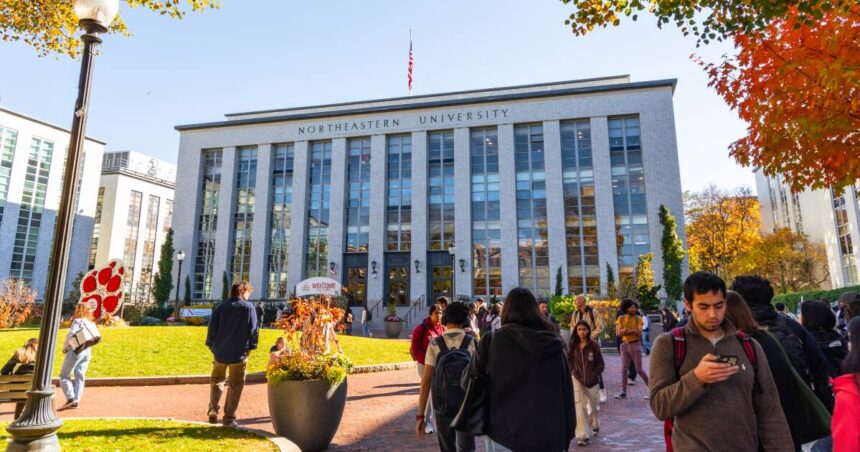
Northeastern University in Boston has also made headlines for staff reductions across various departments. Employees reported that these job cuts occurred swiftly and with minimal notice. A spokesperson for the university, Renata Nyul, did not provide specifics on the layoffs but emphasized that the institution is constantly seeking ways to navigate current challenges. “That is standard practice for high-performing organizations,” Nyul explained.
Experts are noting that the overarching sentiment in higher education for 2025 is one of uncertainty, largely influenced by political dynamics in Washington. Robert Kelchen, an expert in higher education policy at the University of Tennessee Knoxville, pointed out that the actions and potential actions of the previous administration have significant implications for colleges’ financial landscapes. This political climate has contributed to a 17% drop in first-year international enrollments this fall, as reported by the Institute of International Education.
The impact of declining international student enrollment varies significantly among institutions. While highly selective schools remain largely unscathed, public and regional universities, which often rely on international students who typically pay full tuition, have experienced severe financial repercussions. Although Northeastern University refrained from commenting on any decline in its international student enrollment, it did mention an overwhelming demand for student applications, noting record numbers in recent years.
A report from the Western Interstate Commission for Higher Education indicates that many states are projected to see a decline in the number of high school graduates by 2041, with only a handful expected to experience growth after reaching a peak in 2025. This demographic shift poses further challenges as fewer potential domestic students enter the pipeline.
Kelchen anticipates that colleges will continue to implement budget cuts to avert dire economic outcomes. “When even the wealthiest institutions in the world are making cuts, I expect other colleges to continue following suit,” he remarked. He noted that while the financial challenges attributed to the previous administration are substantial, they also provide a convenient justification for institutions needing to make operational adjustments.
The interplay of these factors underscores a critical juncture for many colleges, prompting them to reassess their financial strategies and prepare for an uncertain future in the evolving landscape of higher education.