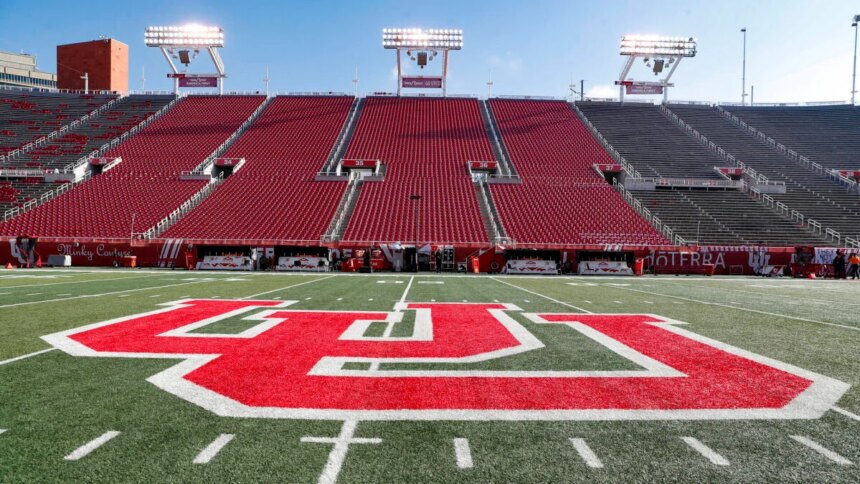
The University of Utah is on the verge of making history in the realm of college athletics by establishing a groundbreaking partnership with Otro Capital, a New York-based private equity firm. This agreement, which has gained the backing of the NCAA, aims to generate approximately $500 million for Utah’s athletic department. However, the partnership comes with specific regulations that ensure the university retains its status within the NCAA, including stipulations that preserve decision-making power for university president Taylor Randall and athletic director Mark Harlan.
Central to this innovative deal is the formation of Utah Brands & Entertainment LLC, a for-profit entity that will operate independently while overseeing the Utes’ athletic operations. This new venture will be co-owned by the University of Utah and Otro Capital, with the university maintaining majority ownership and decision-making authority, while Otro Capital receives a share of the annual revenue.
The partnership includes a strategic exit plan that allows for a potential buyout of Otro Capital’s stake after five to seven years. Utah Brands & Entertainment will not only manage revenue-sharing initiatives with Utes athletes but will also effectively take over many operations and personnel that were traditionally part of the athletic department. Harlan is slated to chair the board of this new entity, which will elect an outside president to lead its operations.
In a bid to enhance funding, donors will have the opportunity to buy stakes in Utah Brands & Entertainment. With investments from supporters, alongside the substantial backing from Otro Capital, the university could amass over $500 million, placing it well-positioned for long-term success in the rapidly evolving landscape of college athletics.
Utah’s move to embrace private equity comes after the House v. NCAA case, which opened the door for such investments in college sports. Since the settlement in 2024, many schools and conferences have explored their own opportunities, yet Utah stands alone as the first institution to secure a deal with a capital firm.
While other schools, including Florida State, have considered similar investments without follow-through, and debates have occurred across various conferences—such as the Big 12’s potential billion-dollar plan that ultimately fell through—Utah’s pioneering maneuver could set a precedent for the future. The Big Ten is currently in discussions about a substantial deal, though not all member institutions agree.
As college athletics transitions into an era where revenue generation is critical, schools that successfully increase funding will have enhanced capabilities to attract and retain top talent, ultimately competing more effectively for championships. Should Utah’s venture prove successful, the landscape of collegiate sports could witness a wave of private equity investments in the coming years.