







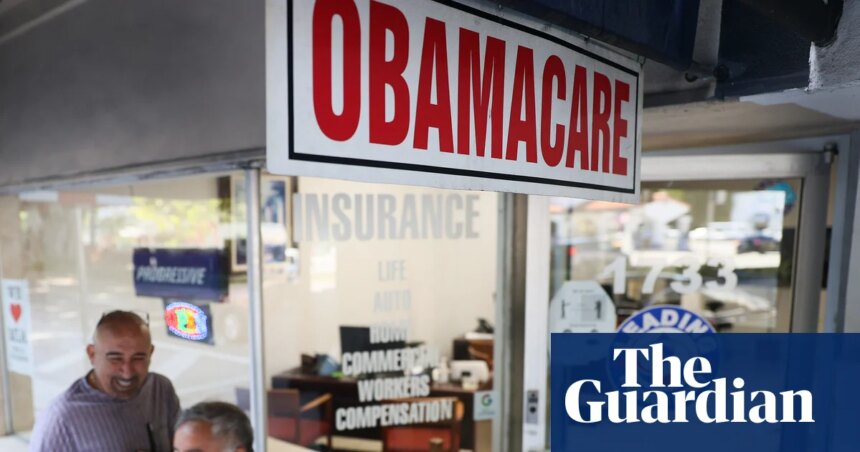
People in the United States looking to purchase health insurance through the Affordable Care Act (ACA) marketplaces are faced with a significant average price increase of 26% for the upcoming year, according to new analysis from the Kaiser Family Foundation. This announcement comes just days ahead of the enrollment period set to begin on November 1.
The increase marks one of the most pronounced price hikes since the ACA was launched more than ten years ago. Consumers using the federal healthcare.gov platform are projected to face even steeper average increases of 30%, while those in state-run marketplaces can anticipate a rise of approximately 17%.
For the 24 million Americans currently enrolled in ACA plans—a record high—the financial burden could escalate even further. Enhanced subsidies, which have kept insurance premiums manageable for many, are scheduled to expire at the end of the year. If Congress does not act to extend these enhanced tax credits, it could result in more than doubling the out-of-pocket costs for many households, according to the Kaiser Family Foundation.
The research indicates that monthly payments for subsidized enrollees may increase by an average of 114% without congressional action on the enhanced subsidies. The healthcare.gov website, which has recently opened for preview shopping, is already reflecting these higher costs tied to the anticipated lapse in financial assistance.
The issue of healthcare affordability has become intricately linked with the ongoing budget standoff in Washington, which has led to the second-longest government shutdown in U.S. history. Senate Democrats have made clear that any short-term funding deal must include an extension of the enhanced subsidies. In contrast, Republican leaders, including former President Trump, have stated they will not enter into negotiations until the government resumes normal operations.
The impasse has prompted Everett Kelley, the leader of the American Federation of Government Employees, to advocate for the immediate end of the shutdown, calling for full back pay for all federal workers and suggesting that both parties have outlined their positions with little progress toward resolution.
Senate Democratic Leader Chuck Schumer has also emphasized the urgency of the situation, warning that millions of families will face anxiety over increasing healthcare costs in the coming days. He accused Republicans of contributing to a crisis that he characterized as entirely avoidable.
In response, Republican Senate Majority Leader John Thune pointed to Kelley’s calls to reopen the government, asserting that Democrats are acting irresponsibly by rejecting funding measures that were previously approved mainly along party lines by the House.
To extend the subsidies, an estimated $350 billion in federal spending would be required over the next decade, according to projections from the Congressional Budget Office. Since their introduction in 2021 and subsequent extension, these enhanced tax credits have been instrumental in driving ACA marketplace enrollment to record levels.
Officials from the Biden administration at the Centers for Medicare & Medicaid Services highlighted that, as of now, four in five enrollees could secure plans for $10 a month or less starting in January. However, under the proposed new pricing structure, only 60% of those seeking 2026 coverage would find plans at or below $50 a month once the remaining original subsidies are factored in, a stark decline from 83% in 2025.
If the enhanced assistance is allowed to lapse, projections suggest that approximately 4 million additional Americans could be without insurance by 2034, according to the September report from the Congressional Budget Office. The last major spike in premium rates occurred in 2018, when average costs surged by about 37% following the cessation of federal payments to insurers for separate ACA subsidies that covered out-of-pocket expenses.




