









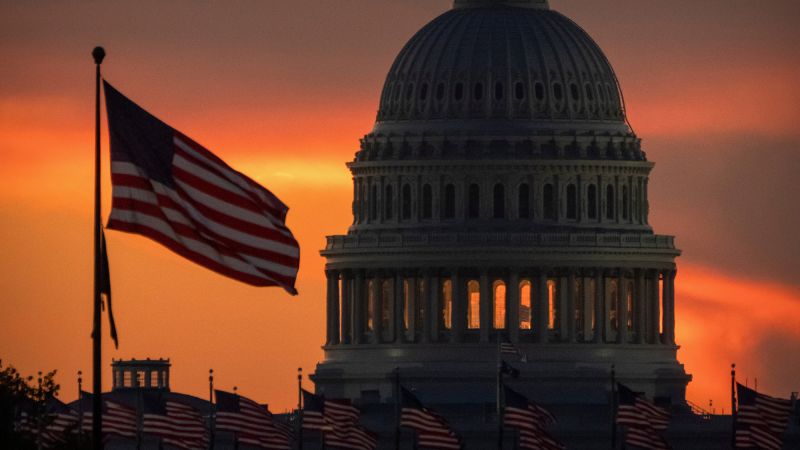
In a climate marked by economic uncertainty and disruption, the United States government finds itself embroiled in a shutdown that has raised alarms across multiple sectors. With key economic indicators rendered unavailable, the absence of comprehensive government data has left investors, policymakers, and business leaders navigating a murky landscape.
The Bureau of Labor Statistics (BLS), typically a reliable source for monthly employment and inflation reports, is unable to collect and distribute crucial economic data during the shutdown. This has resulted in the postponement of widely anticipated reports, including the jobs report originally scheduled for release this Friday and upcoming inflation indicators. The lack of essential information is exacerbating the volatility already present in the market due to ongoing tariff debates and political maneuvering.
Brett House, a professor at Columbia Business School, articulated concerns that the extended government shutdown could further erode confidence in economic growth. “The shutdown adds to the significant policy uncertainty and volatility we’ve seen this year,” House stated, highlighting the potential chilling effect on hiring and investment as businesses grapple with an unstable environment.
This shutdown represents yet another challenge for the BLS, an agency that has faced chronic understaffing and budget cuts for years. The recent dismissal of BLS head Erika McEntarfer, who was accused without evidence of manipulating economic data, only adds to the turmoil. Critics argue that the actual source of economic strain lies in President Trump’s tariffs, which disproportionately affect small and medium-sized businesses.
In a controversial move, Trump’s administration nominated EJ Antoni, a Heritage Foundation economist with little experience, to succeed McEntarfer. However, after considerable backlash—including concerns regarding Antoni’s voiced opinions on social media—the administration withdrew his nomination, leaving the agency and its leadership in limbo.
Amidst these ongoing issues, the reliability of government agencies faces scrutiny. The premature firing of McEntarfer has led to widespread doubt regarding the impartiality and accuracy of governmental data at a critical juncture for the economy. Indicators of inflation are on the rise, coupled with signs of a slowdown in hiring, suggesting that the grim specter of stagflation, a troubling economic condition characterized by stagnant growth and rising prices, may soon become a reality.
Economist Mohammad Elahee pointed out the severity of the situation, emphasizing that the shutdown transcends mere inconvenience. “It represents a systemic shock … with the potential to push the U.S. economy toward recession in 2026,” he warned.
As the government remains closed, the path forward seems increasingly uncertain, with stakeholders across the spectrum left to speculate how prolonged inaction may impact the economic recovery. The implications of this situation are profound, with risks extending beyond immediate financial indicators to the very confidence that fuels the economy.