US financial markets experienced a significant downturn on Thursday, marking their largest drop since the onset of the US-Israel conflict with Iran. The Dow Jones Industrial Average fell by 450 points, while the S&P 500 declined by 1.7%. The Nasdaq, heavily weighted with technology stocks, dropped by 2.3%, entering correction territory—defined as a decline of 10% or more from its most recent peak.
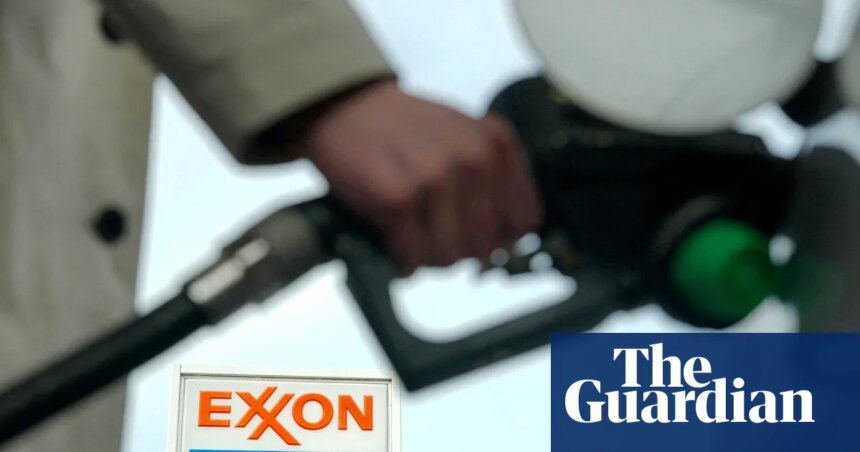
The increase in oil prices since the beginning of the conflict has been striking, with Brent crude reaching approximately $107 per barrel and US crude hitting $93 per barrel. Gas prices at American pumps have surged to an average of $3.98 per gallon, according to the American Automobile Association (AAA).
Despite these rising costs, former President Donald Trump suggested that the situation was not as dire as anticipated during a cabinet meeting, stating that oil prices “have not gone up as much as I thought.” He expressed optimism that prices would eventually drop back down, possibly even lower than previous levels, and predicted that the stock market would rebound once the conflict concludes.
Investor sentiment has fluctuated in response to Trump’s mixed messages regarding negotiations with Iran. Earlier in the day, Trump issued a stark warning to Iranian officials, cautioning them to “get serious, before it’s too late,” and implying that failure to act could lead to irreversible consequences. However, he later claimed that “very substantial talks” were ongoing and highlighted a recent concession from Iran that saw ten oil tankers allowed to pass through the strategically crucial Strait of Hormuz.
Following the market close, the White House announced an extension of the pause on strikes targeting Iranian energy infrastructure for an additional ten days, pushing the deadline to April 6. Trump characterized these discussions as productive, saying that ongoing dialogue was progressing despite erroneous reports in the media.
Compounding concerns about economic stability, a new report from the Organization for Economic Cooperation and Development (OECD) projected that US inflation would average 4.2% this year, significantly higher than the previously expected inflation of approximately 2.6% for 2025. This inflationary pressure, mainly driven by rising oil prices, is expected to have broader implications across G20 countries, with an average increase of 1.2%.
The OECD report also highlighted the potential impact on fertilizer prices, which are heavily reliant on imports from conflict-affected regions. It warned that the unfolding situation in the Middle East carries both human and economic ramifications, posing challenges to the resilience of the global economy as it grapples with the escalating costs associated with the conflict.