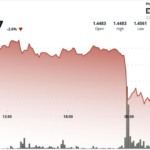
U.S. stocks related to rare earth materials have recently experienced a downturn as trade tensions between the U.S. and China begin to ease. The change in market sentiment follows earlier surges in these stocks, spurred by reports that China was contemplating export controls on rare earths. This situation prompted former President Trump to threaten 100% tariffs on Chinese goods, emphasizing the importance of U.S. development in rare earth capabilities.
Industry analysts highlight the complexities surrounding the U.S. rare earth sector. Approximately 70% of global rare earth mining occurs in China, with the processing of these materials heavily reliant on Chinese operations—about 90% of processed oxides and 93% of magnets originated from the country. This significant dependency calls into question the U.S.’s ability to compete in the near future.
Neil Dingman, an analyst from William Blair, emphasized that while concessions from China might lead to a more stable situation, the U.S. and its allies face a lengthy and challenging road ahead in ramping up their own rare earth production. Notably, companies attempting to enter this field face costs that are two to three times higher than their Chinese counterparts, presenting serious competitive challenges.
Even with potential agreements on the horizon, there is uncertainty regarding how the current administration will approach investments in U.S.-based rare earth companies. Dingman suggests that government backing could play a crucial role in supporting domestic firms as they work to expand their processing and mining capabilities. While direct stakes in companies have been implemented in some cases, such as with MP Materials, there may be broader opportunities for government support without necessarily taking a direct ownership position.
The analyst posited that a structured support system from the federal government is vital for the domestic rare earth industry to thrive. This backing would be instrumental in advancing not just mining activities, but also the essential processing and manufacturing steps needed to establish a self-sufficient rare earth supply chain in the U.S.