US stock futures are experiencing a notable decline on Friday, contributing to what has already been a steep sell-off on Wall Street over the past month. The sharp drop in futures appears to be a reaction to diminishing confidence in the prospect of a December interest-rate cut, putting additional pressure on riskier assets, particularly in the technology sector.
Futures for the Dow Jones Industrial Average slid by approximately 0.6%, while those for the S&P 500 fell by 0.8%. Meanwhile, contracts for the tech-heavy Nasdaq 100 dropped by 1.2%. These early morning declines follow a particularly challenging session on Thursday, during which major indexes recorded their steepest one-day fall in over a month.
Concerns within the technology sector are growing, particularly as worries over artificial intelligence (AI) developments prompt a shift to less heavily valued sectors. Shares of Tesla experienced a notable decline, falling 4% in premarket trading to dip below $400, marking its worst performance since July. Nvidia also faced a setback, with its stock dropping 3%.
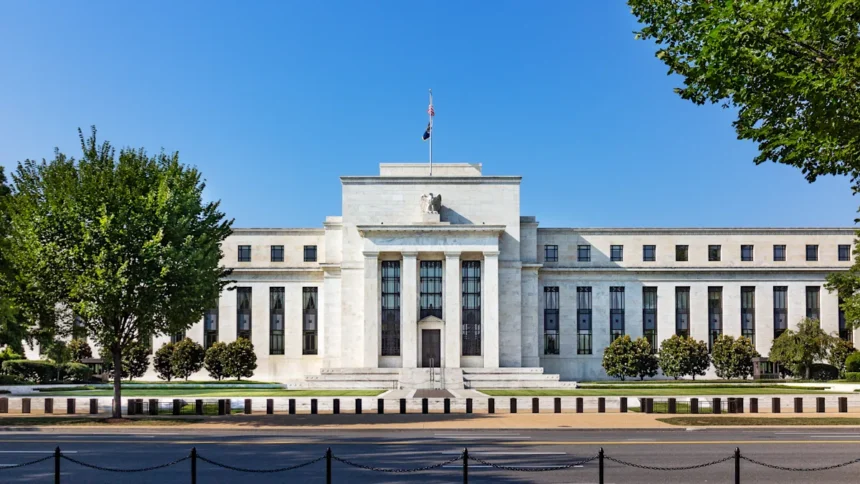
Investor sentiment remains overshadowed by increasing apprehensions regarding the Federal Reserve’s intentions on policy easing. The central bank’s officials have adopted an increasingly hawkish tone, with traders now assigning less than a 50% probability to a quarter-point rate cut next month, a significant decrease from nearly 95% just a month prior.
Minneapolis Fed President Neel Kashkari highlighted concerns about a possible surprise spike in next week’s inflation report, reinforcing the skepticism surrounding rate cuts among policymakers. Moreover, uncertainties prevail about what economic data will emerge, particularly following the six-week federal government shutdown, which has left many questioning the implications for both price pressures and the labor market.
In an effort to address rising food costs—an issue that has resonated with voters during recent local and state elections—President Trump is reportedly planning substantial cuts to tariffs. Additionally, the administration is pursuing trade agreements with Argentina, Brazil, and other Latin American nations aimed at making essential commodities like bananas and coffee more affordable.
One company particularly affected in the recent tech sell-off is Oracle, whose stock dropped over 1% in premarket trading. Investors have expressed worries regarding the company’s significant borrowing aimed at funding its AI initiatives.
In other market movements, Warner Bros saw its stock rise 3% following reports of competitive bids from Paramount, Comcast, and Netflix. Conversely, Whirlpool’s stock also increased by 3% after the announcement of a significant purchase of shares by investor David Tepper’s Appaloosa Management. However, Applied Materials’ stock fell by 5% amidst reports of a revenue slowdown, despite an upbeat forecast for the upcoming quarter.
In the cryptocurrency space, Bitcoin saw further decline, dipping below the $100,000 mark. This latest downturn has been attributed to increasing risk aversion among investors, leading to nearly $900 million being pulled from funds dedicated to the digital asset. Bitcoin fell as much as 2.8% before partially recovering, remaining over 20% below the all-time high achieved in early October. The crypto market, still reeling from a wave of liquidations that wiped out over $1 trillion in value, continues to face challenges, with more than $1 billion worth of leveraged positions eliminated in the past day.
On the other hand, gold prices have seen a rise after a month of declines, as the uncertainties surrounding economic data and the lingering effects of the government shutdown are drawing investors toward the precious metal as a safe haven asset.