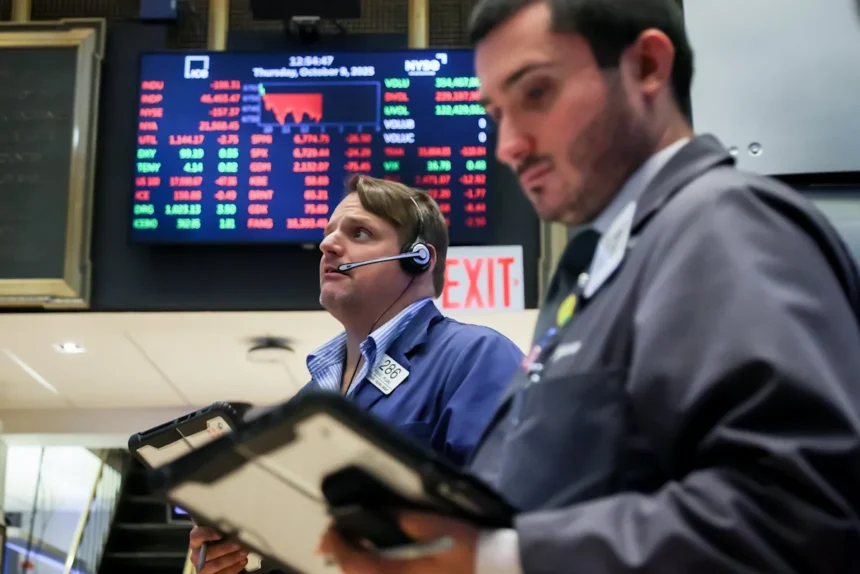
A significant upswing in U.S. stocks has traders brimming with optimism as they await the onset of the corporate earnings season. The S&P 500 index has surged 11% since the beginning of the year, largely propelled by an excitement surrounding artificial intelligence (AI). This surge is echoed in stock markets around the globe. As a result, analysts’ earnings expectations have also ramped up, with projected profit growth for U.S. stocks in the third quarter climbing to 7.4%, a slight increase since mid-August.
The S&P 500’s impressive recovery, boasting nearly a 32% gain from its lows in April, sets a high bar for Corporate America, which must deliver robust results to quell concerns about potential market bubbles fueled by tech enthusiasm and rising trade tensions. Investors are particularly anxious about how these factors could affect earnings, making it clear that the market is in no mood for disappointments. Sam Stovall, chief investment strategist at CFRA, highlighted the unyielding expectations of investors, citing a low tolerance for any slip-ups in earnings or in corporate communication.
Next week marks the commencement of the third-quarter reporting period, starting with JPMorgan Chase & Co. and other major U.S. banks, while tech giants will take the spotlight later this month. Several key themes are emerging that investors will closely monitor.
After causing significant market disturbances earlier this year, trade issues have resurfaced as a crucial concern. Recent statements from President Trump regarding the imposition of a 100% tariff on China along with stringent export controls have cast a shadow over earnings projections. Market observers believe that ongoing tariffs have already begun to impact corporate profits. A report from Deutsche Bank suggested that S&P 500 earnings growth could have been a percentage point higher without tariffs. Investors, who previously gave companies leeway on tariff-related guidance, are expected to demand increased transparency and accountability this time.
Amidst trade unrest, many companies continue to invest significantly in AI, which has contributed to their stock valuations. UBS forecasts global capital expenditures on AI to soar by 67% this year, hitting $375 billion. However, any signs of a slowdown in AI spending could destabilize the stocks that have benefited the most, especially in sectors like semiconductors and related services.
Job market dynamics are another focal point for investors. The current government shutdown and lack of key employment data have intensified concerns about the labor market. Rapid job cuts in various sectors may hint at slowing consumer spending, prompting worries for retail and service industries.
The U.S. dollar has experienced a rally against major currencies in the third quarter, bolstered by its competitive edge for exporters. This weaker dollar, alongside other factors, could provide further upside to earnings forecasts. In contrast, European corporations could face challenges as a strong euro may negatively impact their international sales, especially for companies heavily reliant on exports.
Attention also remains on the economic performance of China amidst escalating trade tensions. While the Chinese stock index has shown a year-to-date increase of 17%, profit forecasts remain tepid, with a projected 3% earnings growth for the third quarter. Rising tensions could darken the outlook further, particularly surrounding high-profile meetings between U.S. and Chinese leaders. However, some analysts see a silver lining, pointing to improvements in factory activity and pledges from the Chinese government to mitigate price wars among domestic firms.
As the earnings season unfolds, the financial landscape remains charged with speculation and anticipation for clearer signals on corporate health against the backdrop of global economic complexities.