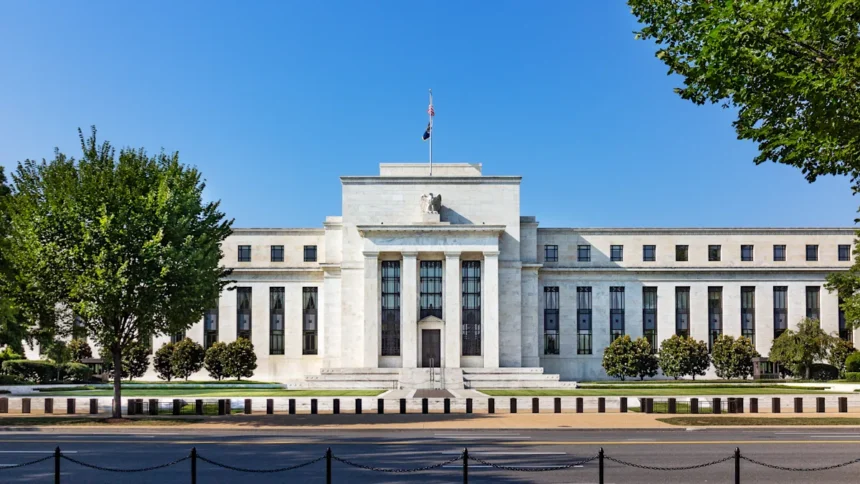
US stocks staged a surprising recovery on Friday, bouncing back from significant declines experienced in the previous session. This fluctuation follows a steep sell-off that marked Wall Street’s worst day in over a month, driven largely by deteriorating expectations for a Federal Reserve interest rate cut in December amid the implications of the longest government shutdown in US history.
The Dow Jones Industrial Average slipped approximately 0.4% at the close, while both the S&P 500 and the Nasdaq Composite showed signs of resilience, with the S&P gaining 0.2% and the Nasdaq rising 0.6%. This rebound positions the major indexes to end the week on a positive note, despite earlier turbulence.
In the prior trading session, major indices recorded their most significant daily declines in recent memory, particularly in the technology sector, where fears about artificial intelligence led investors to move away from riskier assets towards more stable investments. Notably, Tesla’s shares faced downward pressure, dipping below the $400 mark before ultimately recovering to close higher. Similarly, Nvidia managed to turn its fortunes around, ending the day in positive territory.
Cryptocurrency markets also experienced turmoil, with Bitcoin falling below the $96,000 threshold for the first time in over six months, down more than 20% from its peak in October. This decline reflects broader investor anxieties regarding the Federal Reserve’s future monetary policies, as traders have begun to adjust their odds for a quarter-point rate cut next month, scaling back from nearly 95% a month ago to less than 50% now.
Minneapolis Fed President Neel Kashkari expressed skepticism towards imminent rate cuts, citing persistent inflation concerns and signals of resilience within the US economy. With the recent government shutdown overshadowing economic data releases, uncertainty lingers over the forthcoming information and its potential influence on monetary policy.
In light of rising consumer prices, President Trump is set to announce considerable reductions in tariffs aimed at alleviating high food costs, a pressing issue highlighted in recent local elections. Trade agreements with countries like Argentina and Brazil are anticipated to help lower prices on staples such as bananas and coffee.
UBS analysts noted that despite the recent market setbacks, they view the current decline as a temporary blip within a broader bull market. As speculation mounts regarding the Federal Reserve’s next moves, they anticipate any eventual decisions will heavily depend on incoming economic data. Even if the unemployment rate isn’t disclosed in the upcoming October jobs report, other data sources may support continued rate cuts as long as inflation remains manageable.
In corporate news, Walmart’s stock fell after CEO Doug McMillon announced his upcoming retirement, with John Furner set to replace him. This transition, coupled with the ongoing market volatility, has contributed to concerns surrounding the retail giant’s future performance.
As the day progressed, various segments of the market saw mixed performances. Some tech stocks began to recover after a poor previous day; industry leaders like Apple and Microsoft regained ground, while others such as Oracle faced continued pressure due to fears surrounding its significant investments in AI.
In global markets, Chinese stocks faltered as data reflected a slowdown in economic momentum, with disappointing figures on retail sales and industrial production, raising concerns about potential spending contractions.
Overall, the dynamic in the stock market shows an ongoing balancing act between investor sentiment, corporate performance, and looming economic indicators, as all eyes remain on the Federal Reserve’s forthcoming decisions.