When Bitcoin was launched in 2009, it faced significant skepticism from many investors, with some, including prominent figures like Charlie Munger, labeling it as “stupid and evil.” However, the cryptocurrency’s value surged dramatically over the years, leading to increased acceptance and interest from various sectors, including governments. Notably, President Donald Trump referred to Bitcoin as “digital gold” after issuing an executive order to establish a strategic bitcoin reserve earlier this year. Recent reports suggest that Venezuela, in particular, has embraced this “digital gold,” allegedly amassing a “shadow reserve” that could be nearly double that of the United States.
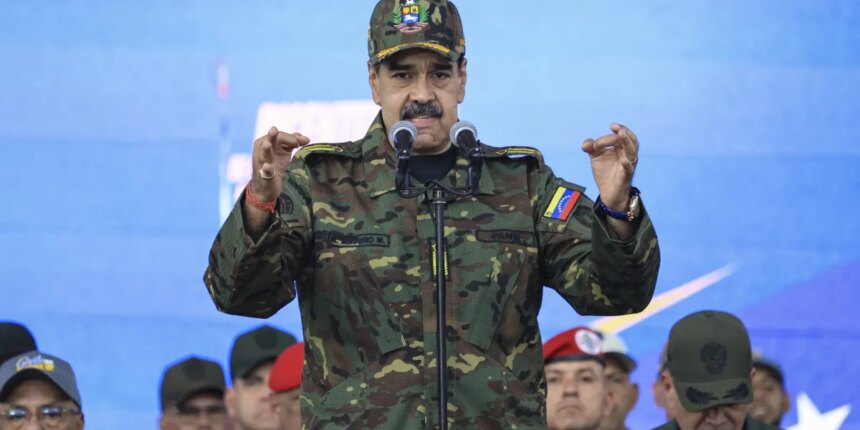
According to a report by Project Brazen, Venezuela’s Bitcoin holdings might be valued at around $60 billion. Investigations reveal that former President Nicolás Maduro and his affiliates have acquired Bitcoin through multiple channels. Notably, these include a gold swap managed by Venezuelan Interior Minister Alex Saab in 2018, oil sales priced in Bitcoin, and the appropriation of cryptocurrency mining equipment from domestic miners.
The Venezuelan economy has faced years of isolation due to international sanctions, prompting leaders to explore cryptocurrencies to navigate these financial restrictions. While Bitcointreasuries.net estimates Venezuela’s holdings at 240 Bitcoin, approximately $22 million, this figure pales in comparison to the United States, which is believed to possess around 328,372 Bitcoin, valued at about $30 billion. However, some interpretations suggest that if the initial claim were accurate, it could position Venezuela as one of the largest Bitcoin holders globally.
Skepticism surrounds these claims, particularly from experts such as Mauricio di Bartolemo, co-founder of digital asset financial services firm Ledn. Having grown up in Venezuela and with personal experiences involving crypto mining, di Bartolemo questions the credibility of the alleged channels through which the country supposedly acquired Bitcoin. He pointed out inconsistencies with public records and expressed doubt about the possibility of Venezuela accumulating any significant amount of Bitcoin given the rampant corruption and financial mismanagement in the country.
Di Bartolemo elaborated on his views in a Coindesk op-ed, cautioning readers not to expect substantial reserves from Venezuela. He also noted a growing preference for stablecoins among Venezuelans grappling with hyperinflation, as these assets often provide a more favorable exchange rate for remittances compared to liquid cash.
Tracking the actual cryptocurrency holdings of the Venezuelan government is challenging because of the decentralized nature of Bitcoin and the clandestine methods often employed by state actors. However, if the claims regarding Venezuela’s Bitcoin reserves hold any truth, they could potentially transform the landscape of global Bitcoin markets.
The majority of the U.S. government’s cryptocurrency assets have been amassed through law enforcement actions, but the strategic importance of state-controlled digital assets gained attention last year, following Trump’s executive order. The U.S. government now maintains an uncertain relationship with Venezuela, framed by ambiguous remarks from Trump about future governance in the country. The possibility of Venezuelan Bitcoin reserves—whether they exist or not—underscores the evolving geopolitical implications of cryptocurrencies and highlights the Trump administration’s commitment to advancing American interests in the digital asset sphere.