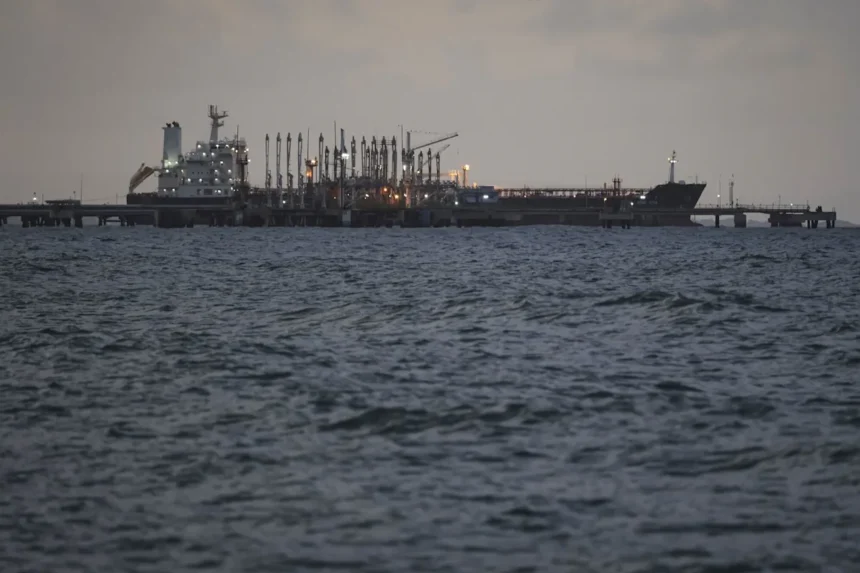
The recent capture of Venezuelan President Nicolas Maduro following U.S. airstrikes has created a significant shift in the geopolitical landscape, yet early reports indicate that the global oil market may not react as drastically as expected. Sources familiar with the situation have stated that key oil infrastructure in Venezuela remained unscathed despite the U.S. military actions targeting locations such as Caracas. Vital facilities, including the Jose port, the Amuay refinery, and oil production areas in the Orinoco Belt, continue to function normally.
Venezuela, historically known as an oil-centric nation, has seen its production plummet dramatically over the last two decades, now accounting for less than 1% of global oil supplies. U.S. sanctions, particularly the seizure of vessels carrying Venezuelan crude, have further pressured the regime and led to the shutdown of several oil wells.
Anticipations for global oil supply suggest an excess of 3.8 million barrels per day by 2026, an unprecedented situation as per the International Energy Agency. The recent downturn in crude prices, which have dipped to approximately $60 a barrel, reflects the overall oversupply in the market. In the wake of the news regarding Maduro, a retail trading product indicated a momentary spike in U.S. crude prices, rising nearly $2 from the previous close.
Analysts remain cautious yet not alarmed by the unfolding events. Arne Lohman Rasmussen, chief analyst at A/S Global Risk Management, predicted only a slight increase in Brent crude prices, estimating a rise of 1-2 dollars at most. He noted that disruptions of this scale are typically manageable within the market framework, especially with forecasts indicating significant oversupply in the upcoming months due to seasonal demand fluctuations and increased OPEC+ production.
At the diplomatic level, members of OPEC, including Venezuela, are scheduled for a video conference to discuss production strategies. Reports suggest that the group will likely maintain its current plans to pause production increases.
Recent actions by the U.S., including the seizure of tankers in the Caribbean, have caused concern among operators of sanctioned vessels, leading many to change course or delay their routes. Despite the tumultuous backdrop, Chevron Corp. has persisted in its operations in Venezuela under a sanctions waiver, emphasizing its commitment to employee safety and regulatory compliance.
The future of Venezuela’s oil industry, potentially rich with reserves surpassing those of Saudi Arabia, remains uncertain in the wake of Maduro’s capture. Although international companies such as Chevron and Spain’s Repsol continue to engage with the state-owned oil firm Petroleos de Venezuela SA, past nationalizations have left a lasting impact on foreign investor sentiment.
The prospect of a more substantial U.S. involvement in Venezuela’s oil sector has gained attention. President Donald Trump has signaled a desire to enhance American presence in the industry, suggesting that U.S. oil companies may invest significantly in restoring Venezuela’s oil infrastructure.
As global markets absorb the implications of these developments, the focus will remain on how they affect not only the Venezuelan economy but also the broader dynamics of international oil supply and demand.