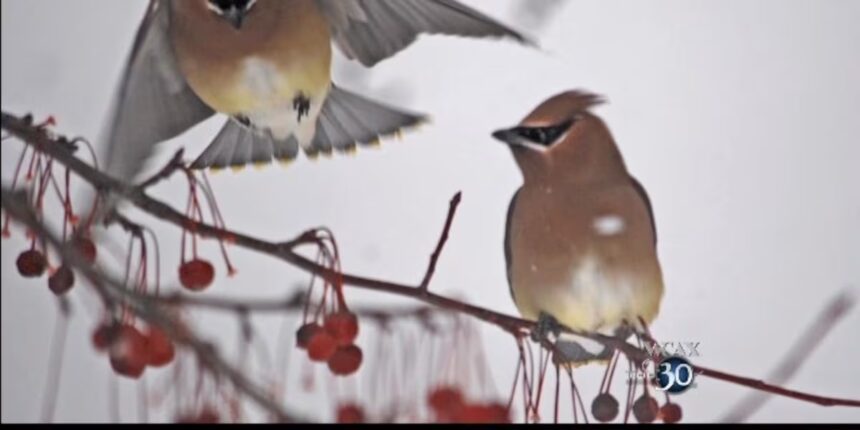
Vermont residents can look forward to an exciting winter as an influx of feathered visitors is anticipated. According to Jillian Kilborn from the Vermont Fish & Wildlife department, this winter is projected to be an “irruption year” for winter finches. This phenomenon occurs when there is an unusual increase in bird populations, largely due to environmental conditions affecting their food sources.
Reports indicate that forests in northern Canada are experiencing a poor seed crop this year, prompting many birds to migrate southward in search of sustenance. In contrast, New England, including Vermont, has enjoyed an above-average cone crop, creating an abundant food supply for these birds.
Kilborn notes that some species have already begun to arrive in the area, hinting that this winter could be even more fruitful for bird watchers than the last irruption, which occurred five years ago. The significance of tracking these bird populations is underscored by Kilborn’s call for the public to assist scientists by using reporting platforms like eBird to document sightings. This data is crucial, especially as some bird species are experiencing declines.
For avid bird watchers or those interested in observing these visitors, Kilborn recommends maintaining a clean bird feeder. For individuals without feeders looking to catch a glimpse of the birds, she suggests observing softwood trees such as spruce, white pine, fir, and cedar. Many species are also drawn to winter fruiting plants and seeds, expanding tracking opportunities for those on the lookout.
Interestingly, some of the birds that visit Vermont during winter are just making a short stop before continuing their migration as far south as Florida. This seasonal activity presents a unique chance for bird enthusiasts to witness a variety of species in the state as they seek refuge and nourishment during the colder months. Residents are encouraged to get outside and enjoy the natural spectacle this winter season.