Despite recent surges in the Dow Jones Industrial Average, S&P 500, and Nasdaq Composite, concerns loom over Wall Street’s long-term stability as geopolitical tensions heighten and internal divisions within the Federal Reserve (Fed) intensify.
Since 2019, the S&P 500 has seen remarkable performance, recording a minimum 16% gain in six of the past seven years, while the Dow Jones and Nasdaq Composite have reached record highs. The stock market’s buoyancy has been fueled by several factors, including advancements in artificial intelligence, robust corporate earnings, stock splits, and an ongoing rate-easing cycle initiated in September 2024.
However, the recent conflict involving Iran, beginning on February 28, introduces significant uncertainty. The conflict has led Iran to restrict oil exports through the critical Strait of Hormuz, which facilitates the transit of roughly 20% of the world’s liquid petroleum. In just over a week, the price of West Texas Intermediate crude surged from $67 to an astonishing $119 per barrel. This spike in oil prices raises concerns about potential stagflation—a troubling environment characterized by rising inflation and unemployment, accompanied by stagnant economic growth.
Historically, rapid increases in oil prices correlate with consumer spending declines and economic distress. The Fed faces a conundrum; lowering interest rates to stimulate growth could exacerbate inflation, while raising rates could further increase unemployment and hinder economic recovery. If high oil prices persist and inflation rises, the Fed may find itself compelled to halt its rate-easing strategy, posing a dire threat to a market already considered historically overvalued.
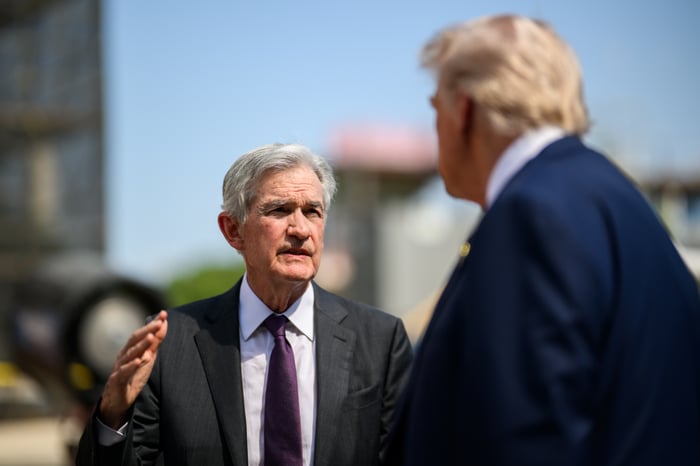
The situation is further complicated by emerging discord within the Federal Open Market Committee (FOMC). While the FOMC has generally maintained a unified front under Jerome Powell, dissenting opinions have become increasingly common since mid-2025. With at least one dissent at each of the last five meetings, a lack of consensus may erode the Fed’s credibility, thereby unsettling investors who typically rely on a cohesive monetary policy approach to navigate turbulent markets.
Amidst this backdrop, President Donald Trump’s potential nomination of Kevin Warsh to succeed Powell as Fed Chair adds another layer of complexity. Warsh, a former FOMC member, has a history of advocating for higher interest rates and has openly criticized the Fed’s extensive balance sheet. If appointed, his hawkish stance could further exacerbate divisions within the FOMC and challenge the market’s expectations for continued rate reductions.
Investors are left considering the possible ramifications of these developments on their portfolios, as uncertainty casts a shadow over future market performance. Given the evolving geopolitical landscape and internal Fed dynamics, many are reevaluating their strategies in anticipation of potential market volatility.