








Stocks in the U.S. have recently experienced an upward trend, bond yields have decreased, and the US dollar has shown signs of weakness during President Donald Trump’s second term. This favorable financial environment has been publicly embraced by the president. However, the escalating conflict with Iran is now casting a shadow over these gains, resulting in a downturn in stock prices and an increase in bond yields and the dollar.
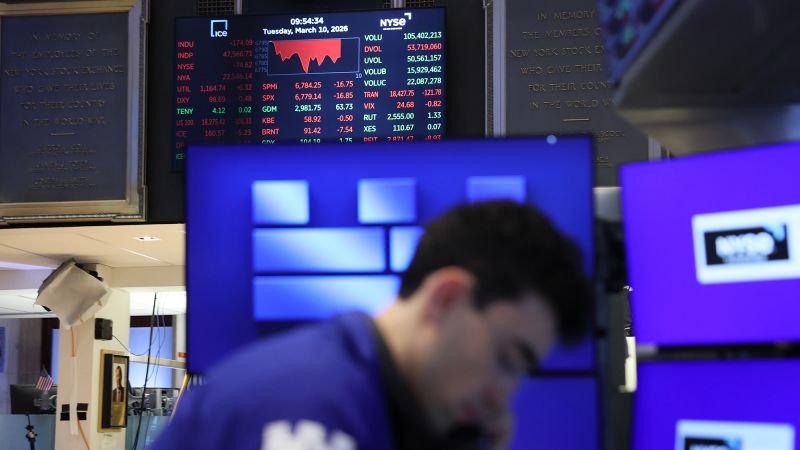
This geopolitical crisis presents a significant challenge for Trump, who has often pointed to the soaring stock market—such as the Dow reaching 50,000 points last month—as a testament to the success of his presidency. He has repeatedly highlighted the market’s performance during speeches, like the State of the Union address where he noted an uptrend in 401(k) plans. The Dow has since experienced a decline of more than 5% since its last peak on February 10, driven by investor anxiety over disrupted global oil supplies linked to the ongoing war.
Industry experts like Sameer Samana, head of global equities and real assets at Wells Fargo Investment Institute, believe that this conflict could continue for weeks or even months, potentially prolonging market volatility. The S&P 500 index has declined by 1.5% this month, pushing it into negative territory for the year.
Mike Skordeles, Truist’s head of U.S. economics, emphasized that the duration of this conflict will significantly influence financial markets. The 10-year US Treasury yield has risen from 3.96% at the beginning of the month to 4.22% recently, as concerns over higher oil prices driving inflation have led investors to offload bonds. This upward movement in yields could translate into increased borrowing costs for consumers and the government.
Historically, market reactions have often prompted caution from the White House regarding policy moves like tariffs, which can unsettle the market. The current administration aims to reduce Treasury yields to enhance affordability and decrease interest obligations on national debt. While the 10-year yield is only the highest it has been in a month, its recent rise marks the steepest increase since April, when tariff-related uncertainties rattled markets.
Inflationary pressures due to skyrocketing energy costs could also hinder the Federal Reserve’s willingness to cut interest rates, which contrasts with the administration’s preference for lower borrowing costs. On the currency front, a weaker dollar has been seen as beneficial, making U.S. goods less expensive for foreign markets, thus supporting domestic manufacturing and exports. However, the recent conflict has reversed this trend, with the U.S. dollar index climbing 1.7% this month as investors seek safe-haven assets amid the turmoil.
Treasury Secretary Scott Bessent has reaffirmed a strong dollar policy; however, a strengthening dollar conflicts with the administration’s objectives of boosting manufacturing. While the index was down 0.7% in 2026, it is up nearly 1% year-to-date, although still down 4.6% compared to the previous year.
The interplay of rising Treasury yields, a strengthening dollar, and falling stock prices creates a complex landscape for the Trump administration and its economic strategies. The future trajectory of these economic indicators will likely hinge on oil prices and the ongoing conflict’s duration. According to Adam Turnquist, chief technical strategist at LPL Financial, the market will remain susceptible to fluctuations and uncertainties until more clarity emerges on the evolving situation.