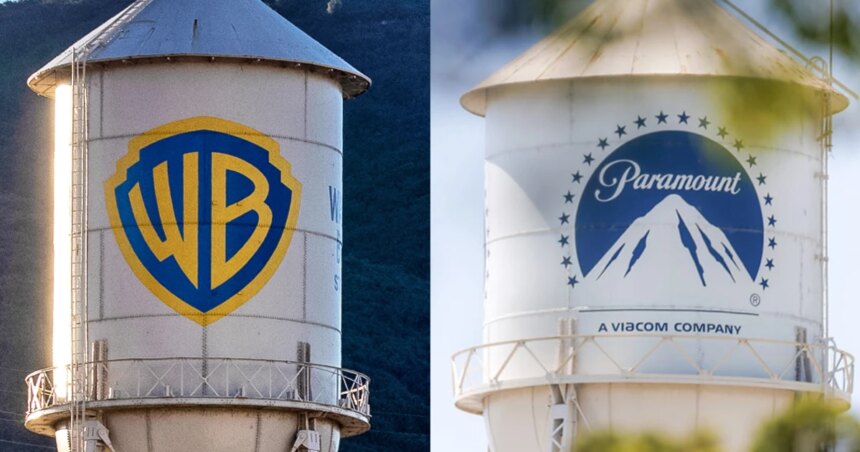
Warner Bros. Discovery (WBD) has announced that Paramount Skydance’s revised bid may be more favorable than Netflix’s existing offer for the entire company, which includes its cable networks. The latest bid from Paramount has increased the purchase price to $31 per share, valuing Warner Bros. Discovery at approximately $77 billion. This updated proposal also features a $7 billion reverse termination fee should regulators prevent the deal, along with reimbursement provisions for any costs incurred by Warner Bros. Discovery in the event it cancels its agreement with Netflix.
WBD’s board of directors stated that a final decision regarding which offer is superior has yet to be made. If the board opts for Paramount’s bid, Netflix will have four business days to present a counter-offer. The statement suggested that WBD might press Paramount to raise its offer further, indicating intentions to “engage further” with the CBS owner.
Despite this new development, WBD reaffirmed that the Netflix Merger Agreement remains in effect, maintaining its recommendation in favor of the Netflix transaction without withdrawal or modification. Analysts from MoffettNathanson have suggested that a bid around $34 per share would likely conclude the competitive bidding process.
Netflix, however, chose not to comment on the recent updates. Meanwhile, Paramount expressed its willingness to engage constructively with Warner Bros. Discovery after the board’s announcement. This bid war originated when Paramount made an unsolicited proposal to acquire the entire company in late 2025, which led WBD to explore its options amid growing interest.
Throughout the ensuing months, Paramount and WBD engaged in a series of competing offers, culminating inNetflix’s $72 billion deal for Warner Bros. Discovery’s film studio and HBO, along with its streaming service. Following a definitive agreement reached with Netflix, Paramount’s persistence resulted in further unsolicited bids.
The latest chapter in this complicated media deal involves significant scrutiny from various sectors. David Ellison, who heads Paramount Skydance, is the son of Oracle co-founder Larry Ellison, who has a close relationship with former President Donald Trump. This connection adds a layer of complexity, especially since both companies’ dealings depend on regulatory approval. Earlier this month, Trump claimed he would remain uninvolved but also urged Netflix to dismiss former Biden adviser Susan Rice from its board.
Antitrust analysts warn that the Netflix-Warner Bros. deal may face significant hurdles. John Mark Newman, a former senior antitrust official, expressed that the merger raises serious concerns and should prompt a challenge due to its potential negative implications for consumers, as well as producers, directors, and other industry stakeholders.
On Netflix’s part, the streaming service has consistently argued that the merger would ultimately serve consumer interests by lowering the costs of bundled services. Co-CEO Ted Sarandos highlighted the potential for job creation and economic growth stemming from the deal, asserting that it would not duplicate existing assets but rather enhance the quality and quantity of films produced.
Sarandos also addressed concerns regarding the future of theatrical releases for Warner Bros. films, emphasizing that high-quality projects are likely to emerge from any such partnership. As negotiations and discussions continue, the upcoming vote by Warner Bros. shareholders on the pending agreement scheduled for March 20 is poised to play a critical role in determining the future of this high-stakes media saga.