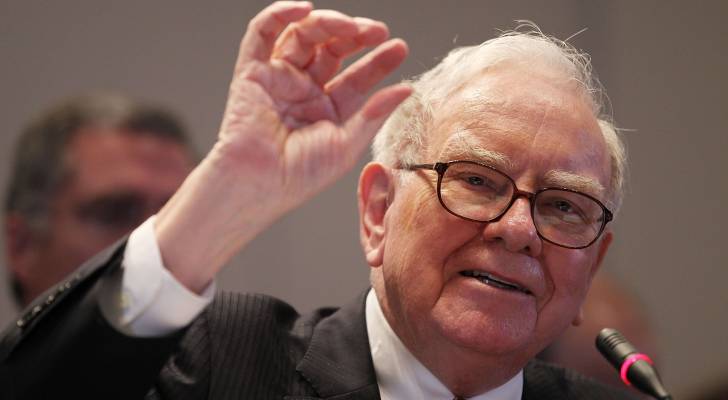
In the world of investment, short-term fluctuations in the stock market can often be disconcerting, particularly for novice investors. However, seasoned investors like Warren Buffett maintain a more level-headed perspective, viewing such turbulence as par for the course. During one of his final Berkshire Hathaway shareholder meetings in May 2025, at the age of 95, Buffett reflected on the impact of President Donald Trump’s “reciprocal” tariffs on market stability, noting, “What’s happened in the last 30, 45 days… it’s really nothing.” His confidence resonates with forecasts from various financial experts who predict that 2026 will see continued robust performance from the market, even amid concerns about potential AI bubbles and recent downturns in gold prices.
Buffett’s perspective is rooted in decades of experience. Having begun investing in stocks at the tender age of 11 back in 1941, he has navigated through far more tumultuous market conditions in his career. His message to younger investors is clear: a fundamental shift in investment philosophy is necessary if market fluctuations impact their emotional well-being. He advises, “If it makes a difference to you whether your stocks are down 15% or not, you need to get a somewhat different investment philosophy.”
For those anxious about volatile markets, learning effective strategies for resilience can be beneficial. A key takeaway from Buffett’s success is the importance of diversification. His company, Berkshire Hathaway, holds a well-diversified portfolio, including 47 publicly traded stocks, prominently featuring Apple and American Express. Additionally, the firm retains a significant cash reserve of $381.7 billion, allowing for strategic stock acquisitions during market downturns.
To build a resilient portfolio, investors should consider expanding into various asset classes. Precious metals like gold and silver can provide a hedge against market volatility, even if their recent performance has been lackluster. Analysts predict a resurgence in gold values, potentially exceeding $5,400 per ounce by late 2026. Services like Priority Gold facilitate investments in physical metals and offer support for those looking to convert traditional IRAs into gold IRAs through generous incentives.
Real estate also presents lucrative opportunities, especially in the commercial sector, known for higher returns compared to residential properties. Until recently, access to this $22.5 trillion market was limited, but platforms like Arrived now allow average investors to purchase shares in rental homes with minimal initial investment, avoiding the headache of property management.
For those intrigued by multifamily units, companies like Lightstone provide direct investment opportunities without the complexity often associated with intermediaries. Accredited investors can delve into high-quality multifamily deals alongside experienced partners who contribute their own capital to each opportunity.
While traditional assets dominate many portfolios, alternative investments such as post-war and contemporary art offer an intriguing option that typically diverges from stock market trends. Platforms like Masterworks allow investors to own fractional shares of notable artworks—providing exposure to a unique asset class that possesses significant appreciation potential and relatively safe characteristics, according to high net worth individuals.
Buffett’s strategy also emphasizes maintaining liquidity, as seen in Berkshire’s substantial cash reserves. For everyday investors, high-yield savings accounts, such as Wealthfront Cash Account, present a compelling way to optimize cash holdings, featuring competitive interest rates and ready accessibility.
Keeping informed and strategically diversifying one’s investments are crucial steps for navigating market uncertainties. As Buffett himself demonstrates, a long-term approach, grounded in experience and resilience, is essential to weather even the most unpredictable financial storms.