









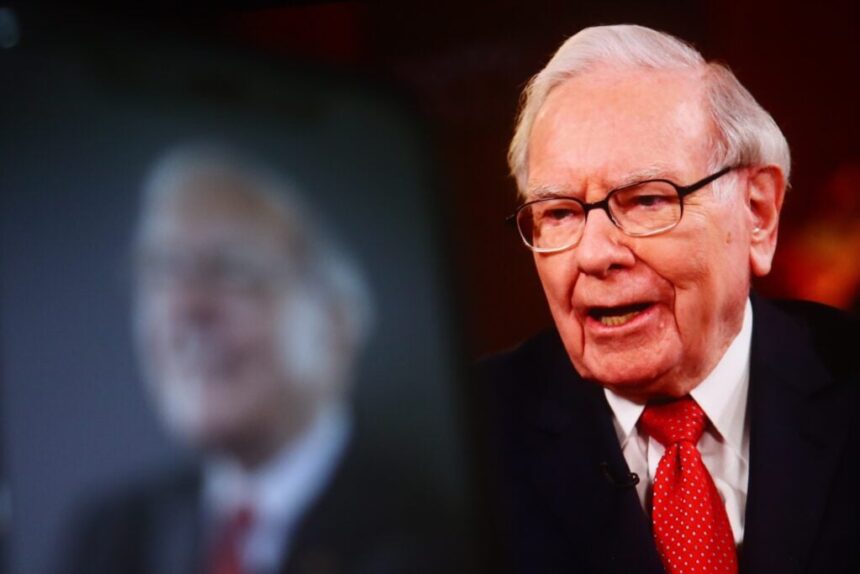
In a notable development amid rampant market anxiety, billionaire investor Warren Buffett expressed a significant shift in his investment strategy, moving his personal portfolio away from government bonds and toward American stocks. This decision, articulated in a 2008 New York Times article, underscores his enduring confidence in the strength and resilience of U.S. businesses, even as financial markets grapple with considerable turmoil both domestically and globally.
Buffett’s commentary reflects a stark picture of the current financial landscape, highlighting the pervasive chaos that continues to impact the broader economy. While concerns about rising unemployment and decreasing business activity loom large, Buffett has been actively acquiring U.S. stocks, marking a departure from his previously bond-heavy investments.
Central to Buffett’s philosophy is a straightforward but powerful mantra: “Be fearful when others are greedy, and be greedy when others are fearful.” He identifies the current climate of fear, which is notably affecting even the most seasoned investors, as a prime opportunity for investment. While he acknowledges that caution around highly leveraged entities or businesses facing competitive vulnerabilities is warranted, he dismisses widespread concerns regarding the long-term viability of many robust American companies as unfounded.
Although Buffett admits he cannot predict short-term market fluctuations, he expresses optimism that the market is likely to rebound significantly before broader economic sentiment or conditions improve. His advice to fellow investors: “don’t wait for the robins, or you’ll miss spring,” suggests a call to action in seizing potential gains available through careful investments now.
Buffett’s pivot towards equities amid prevailing market fear not only highlights his confidence in the American economy’s long-term potential but also serves as a strategic message to other investors. He implies that despite the immediate uncertainties, there are significant growth opportunities within the U.S. stock market.
This notable transition from government bonds to stocks reiterates Buffett’s belief in the resilience of the nation’s companies, portraying his investment strategy as one that embraces long-term potential in the face of current economic adversities.