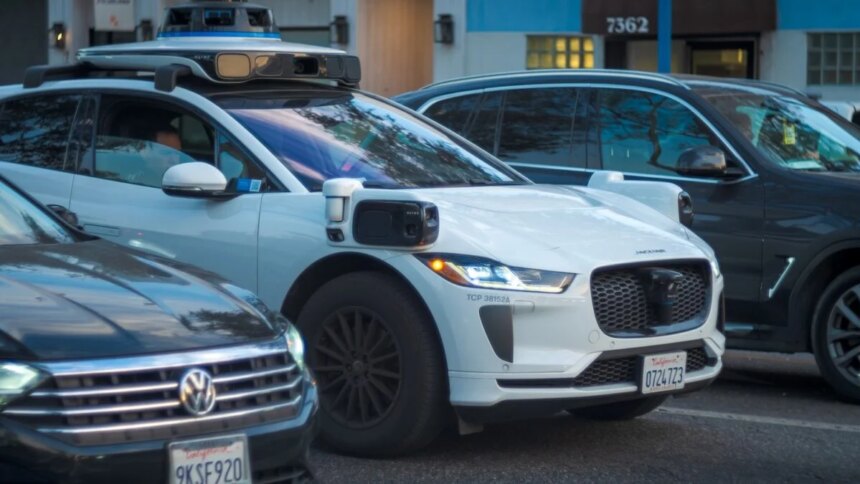
Waymo has provided insight into the chaos that ensued in San Francisco over the weekend following a widespread power outage. The outage prompted the Alphabet-owned company’s robotaxi fleet to pull all vehicles back to their depots in a bid to manage the compromised traffic conditions, resulting in significant logistical challenges.
On Saturday, as many of San Francisco’s traffic signals went dark, Waymo’s self-driving technology faced unexpected hurdles. While the software, referred to as “the Waymo Driver,” is programmed to treat non-functional stoplights as four-way stops, the outage led to an unprecedented backlog of requests for human feedback, known as “fleet response.” This spike in requests caused congestion on an already overwhelmed road network, as the Waymo Driver sought confirmation on navigating complex situations, further complicating traffic flow during the recovery efforts.
The chaotic scenes fueled by social media posts depicted the company’s vehicles as if they were stranded in place, resulting in public perceptions of a city filled with immobilized robotaxis, particularly at busy intersections. In an attempt to mitigate these issues, Waymo instructed its fleet to pull over safely and wait rather than exacerbate traffic conditions. The decision was a strategic move aimed at ensuring that their presence did not obstruct emergency vehicles or contribute to further congestion.
However, the visual narratives captured online painted a stark picture of a city overwhelmed by robotic vehicles seemingly out of control. Posts contrasted images of Waymos navigating chaotic intersections with those parked neatly on the side of the road, leading to questions about why the company didn’t send the vehicles home more promptly.
Despite the challenges, Waymo’s postmortem did not suggest any imminent plans to introduce remote drivers for their robotaxis. Instead, the company focused on enhancing its emergency preparedness and response systems. They emphasized the importance of integrating real-time information about outages and expanding their collaborations with first responders, signaling a commitment to improve future performance during similar events.
While the Waymo Driver has an impressive track record of driving conservatively, the incident highlighted the unique challenges faced by autonomous vehicles when confronted with sudden failures in the urban environment. Nonetheless, Waymo concluded on a note of resilience, expressing their intent to continue evolving and providing services to the residents and visitors of San Francisco, despite the obstacle presented by the outage.