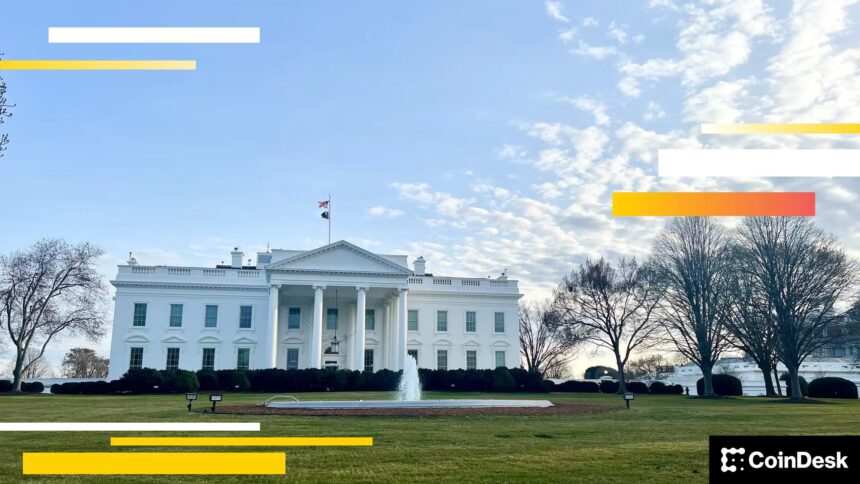
Limited rewards associated with stablecoins have garnered the attention of the White House, which is pushing for their inclusion in the next draft of the crypto market structure bill, provided that banking representatives agree. According to sources familiar with the negotiations, a working session held Thursday aimed to align the interests of banks and the crypto industry regarding stablecoin rewards.
During this session, the White House communicated its intention to retain certain rewards programs in the next draft of the legislation, with Wall Street bank representatives actively participating in shaping the language. The White House plans to circulate an updated draft that reflects these discussions among banking stakeholders.
This aspect of the U.S. Senate’s Digital Asset Market Clarity Act is critical for the crypto industry, as it lays out the regulatory framework for U.S. crypto markets. Notably, the section concerning stablecoins (referred to as Section 404) diverges from market structure directly, seeking to revise an earlier legislative framework established by the Guiding and Establishing National Innovation for U.S. Stablecoins (GENIUS) Act.
This marks the third meeting between representatives from the banking sector and crypto industry, where previous resistance from bankers regarding stablecoin rewards was met with a more flexible stance from the White House. The administration now proposes that certain rewards should be permissible for specific transactions while restricting rewards for stablecoin holdings akin to traditional deposit accounts. Patrick Witt, an adviser on crypto issues from the Trump administration, led the White House’s negotiation team and emphasized the need for a swift resolution to enable the legislation’s progress.
Concerns have been raised by bankers that allowing rewards for stablecoins could disrupt their core business model, which revolves around interest-bearing deposits. Meeting participants expressed optimism that they are close to reaching a compromise, although White House representatives did not immediately provide comments following the session.
Summer Mersinger, CEO of the Blockchain Association and an attendee of the meeting, described the discussions as a constructive step forward in addressing issues related to rewards while keeping the market structure legislation on track.
If banks do not agree to support the proposed limited rewards, the current legal framework remains under the GENIUS Act, which offers crypto platforms more latitude with their rewards programs than what the new proposal would allow. Conversely, if bankers endorse the approach, it could help sway hesitant senators back into alignment on the issue.
However, various aspects of the Clarity Act still require resolution through negotiation. The crypto industry remains engaged with Democratic lawmakers insisting on enhanced protections against illicit activities within the cryptocurrency space, particularly in decentralized finance (DeFi).
There are also points of contention between Democratic negotiators and the White House. Key demands include prohibiting senior government officials from engaging directly with the crypto sector and the full appointment of commissions at the Commodity Futures Trading Commission (CFTC) and the Securities and Exchange Commission (SEC), particularly to fill Democratic vacancies.
As of now, these significant points remain unresolved. If the Senate Banking Committee proceeds with a hearing to advance the bill, it may result in partisan disagreements similar to those seen in the Senate Agriculture Committee. While this does not preclude the bill from moving forward, gaining overall Senate approval will likely require substantial Democratic support.