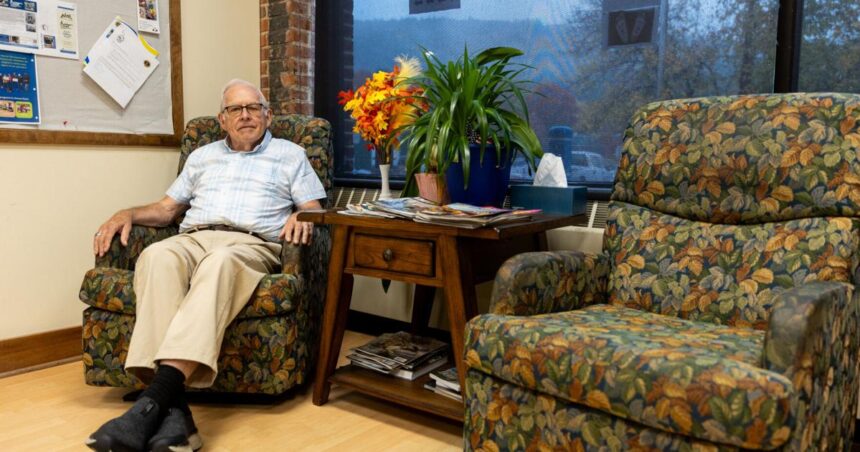
In a troubling development for seniors in New Hampshire, multiple private health insurers, including Anthem, are set to withdraw their Medicare Advantage plans, affecting thousands of residents. Richard Godek, an 81-year-old from Winchester, recently received a letter from Anthem indicating that his Medicare plan would not be offered in 2026. This announcement comes as rising healthcare costs and decreased federal funding prompt insurers such as Martin’s Point, UnitedHealth, Wellsense, and Anthem to exit the state.
For many seniors, the impacts of this withdrawal are daunting. In Cheshire County, the only remaining option for Medicare Advantage will be through Humana, a plan that is not accepted by Cheshire Medical Center, forcing seniors like Godek to reconsider where they can receive care. Godek currently relies on medication that significantly reduces his risk of heart attack and stroke, but without insurance, he would face a $427 monthly cost for this essential prescription.
The trend of increased enrollment in Medicare Advantage plans has started to reverse, as evidenced by earlier warnings from the New Hampshire Insurance Department. In October 2024, it was projected that 44,000 seniors would lose their coverage as several insurers withdrew from the market. As the landscape continues to shift, up to 77,000 beneficiaries state-wide could be impacted by these plan withdrawals in the upcoming year, according to the latest advisories.
The situation is further complicated by the fact that healthcare systems across the state are navigating varying service availability. While some counties like Hillsborough will see new options introduced, others, including Cheshire, will bear the brunt of the losses, raising concerns over accessibility and affordability.
Anthem defended its decision, stating that focusing resources on more viable Medicare offerings allows for better service delivery. Meanwhile, local hospitals are bracing for the fallout. Cheshire Medical Center will no longer accept Humana’s plans, which has raised concerns about accessibility for patients requiring hospitalization. Audra Barnes, a media relations director at Dartmouth Health, noted that such admissions would require prior approval from Humana, complicating care access for many local seniors.
In response to the unfolding crisis, organizations and local agents are providing assistance to help residents navigate their options during the Medicare open enrollment period. Fred Huber, an insurance broker, reported receiving hundreds of calls from anxious seniors seeking to find new plans. As problems mount, the challenges for recipients of Medicare Advantage plans in New Hampshire highlight systemic flaws within the private health insurance framework. Godek articulated a common sentiment among affected seniors, emphasizing the lack of accountability and oversight for insurers, which he believes has severe implications for individuals reliant on these plans.
In light of these changes, many seniors are reconsidering their healthcare coverage strategies, with some opting to revert to traditional Medicare with additional supplemental insurance. As area residents continue to grapple with uncertainty, local health reporters will monitor and report on the ongoing impacts of these significant changes in the Medicare Advantage landscape.