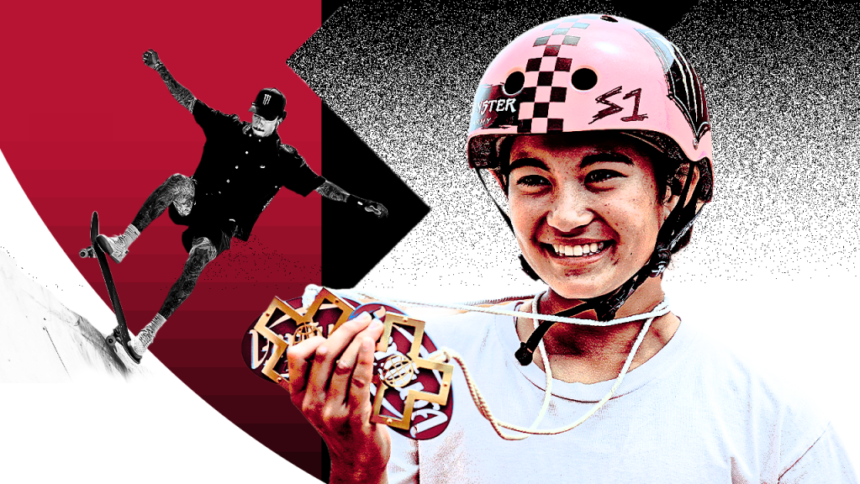
The X Games League (XGL) has recently made waves by unveiling its first four teams as it embarks on a historic transition from an event-driven model to a league format that will feature both summer and winter seasons. This innovative approach aims to invigorate the action sports arena, which has captivated audiences for over three decades.
The inaugural teams represent major global cities: Los Angeles, New York, São Paulo, and Tokyo. Each team will feature co-ed rosters comprised of talented skateboard and BMX athletes, marking a new era in the sport’s competitive landscape. The summer season kicks off in June in Sacramento, with an athlete draft scheduled for March at Cosm in Los Angeles.
“We think it’s a great way to create new rivalries in action sports,” said Jeremy Bloom, X Games CEO, in a recent phone interview. As the league format takes shape, Bloom emphasized that with a season encompassing multiple events, the dynamics of rivalries, storylines, and fan engagement will develop significantly. He describes this shift as “a new chapter for action sports.”
Bloom, a former Olympic skier and collegiate football standout, also highlighted the potential for tapping into current trends such as fantasy sports and sports betting. Last week, the X Games made headlines by entering into a betting partnership with Stake, aiming to attract a broader audience to its competitions.
In an unprecedented move for the action sports domain, MoonPay has secured the title sponsorship for both the summer and winter seasons through a three-year agreement. This deal is the largest in the history of action sports, valued in the mid-eight figures, according to sources familiar with the arrangement. Additionally, MoonPay is provided with an option to invest in the league and acquire two teams, further solidifying its stake in the burgeoning league.
The X Games, originally founded by ESPN in 1995, saw its last standalone event recently in Aspen, Colorado. A significant shift occurred in 2022 when MSP Sports Capital acquired a majority stake in the X Games while ESPN remains a minority investor and television partner. MSP Sports Capital brings a wealth of experience, having previously invested in notable entities like Formula 1’s McLaren Racing team and various European football clubs.
Bloom noted that the league’s objectives are similar to those of Formula 1, where global athletes accrue points individually and collectively for their teams. Initially, the XGL will feature four teams in both summer and winter, with plans to expand to ten teams per season in the future. Team owners will enjoy full licensing rights, allowing them to sell sponsorships and merchandise independently.
Several teams have already been sold, and the identities of the first ownership group are expected to be revealed soon. Athletes drafted into the league will receive salaries and have the opportunity to earn prize money. Additionally, for the first time, all travel costs for athletes will be covered by the X Games, enhancing their competitiveness and focus. The co-ed composition—five men and five women—sets a new precedent in the league format.
To lead the inaugural four teams, XGL has appointed general managers: Bob Burnquist for São Paulo, Harumi Suzuki for Tokyo, Sharalee “Haze” Hazen for Los Angeles, and Steve Rodriguez for New York. These general managers will play a crucial role in overseeing team strategies and collaborating with XGL leadership on operations, content, and marketing strategies for the new league.