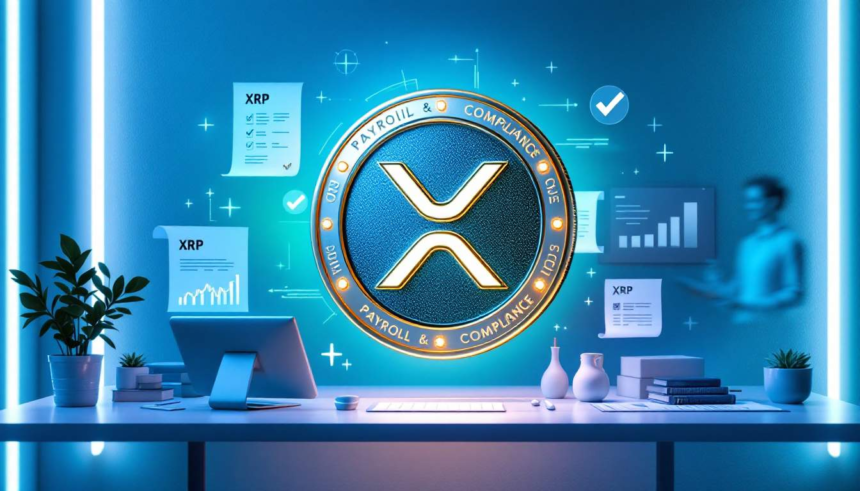
The landscape of finance is undergoing a transformation, driven increasingly by cryptocurrencies, with XRP at the forefront of this shift, especially in the area of crypto payroll. Recent developments regarding legal clarity from the SEC suggest that XRP might fulfill a crucial need within this evolving framework.
The recent settlement between the SEC and Ripple has classified XRP as a non-security, a pivotal ruling that alleviates significant legal uncertainties for businesses. This classification allows companies to integrate XRP into their payroll systems for salary payments, offering a sense of security that was previously absent. Organizations, including Decentralized Autonomous Organizations (DAOs), can now confidently embrace XRP for payroll solutions, mitigating fears of potential legal repercussions.
Compliance remains a cornerstone of this new payroll approach. The XRP Ledger has integrated various compliance features, such as Know Your Customer (KYC) and Anti-Money Laundering (AML), which are critical for gaining traction among institutional players. This compliance capability positions XRP as a legitimate option for payroll solutions, evolving crypto payroll from concept to reality. It fosters trust among employees and stakeholders, ensuring that companies can fulfill their regulatory obligations.
However, managing currency volatility is a significant concern. The price of XRP is known for its fluctuations, posing challenges in predicting its value from the moment a payment is initiated to when an employee receives it. Nevertheless, strategies exist to mitigate this risk:
-
Use Futures Contracts: Companies can hedge against potential declines in XRP’s price by opening short futures positions corresponding to their XRP holdings. This offer a way to stabilize cash flow during volatile periods.
-
Diversify Your Treasury: Maintaining a portfolio that includes various cryptocurrencies and stablecoins alongside XRP can help distribute risk and buffer against price swings.
-
Predict Future Trends: Utilizing advanced prediction algorithms could equip companies to anticipate XRP price movements, allowing for optimized timing when processing payments.
-
Set Stop-Loss Orders: By establishing limits on acceptable losses, companies can automate the selling of XRP, minimizing their exposure when prices dip below specified thresholds.
-
Learn from Ripple’s Strategy: Understanding Ripple’s own approach to managing escrow and liquidity can provide insights into potential price trajectories.
As companies increasingly contemplate the integration of XRP in their payroll systems, careful consideration of policies and legal consultations regarding the evolving regulatory landscape will be crucial. Additionally, educating employees about the potential tax implications of receiving salaries in cryptocurrency is essential for a smooth transition.
In conclusion, the pathway for crypto payroll appears increasingly promising with the advent of XRP. With its defined regulatory status, compliance features, and effective strategies to handle volatility, XRP is poised to lead the charge in shaping the future of salary payments. Organizations that embrace these changes could position themselves at the cutting edge of digital finance innovation.