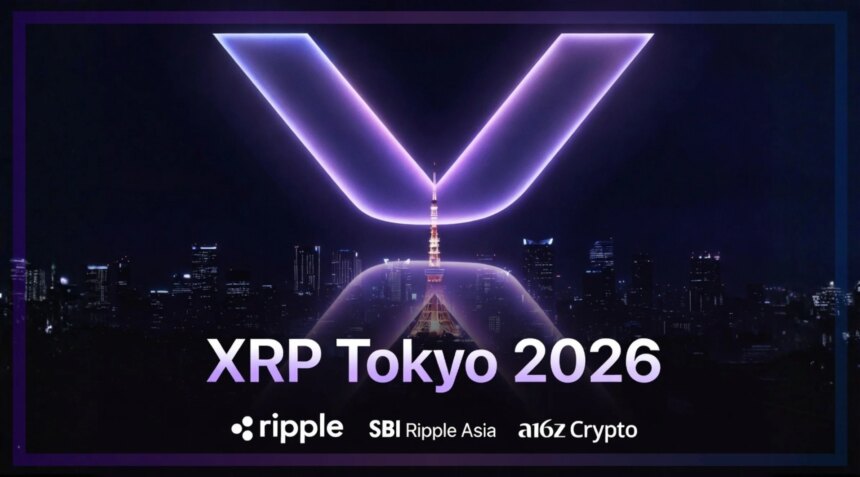
Japan is positioning itself at the forefront of the cryptocurrency revolution, particularly through its robust engagement with digital assets. The recent XRP Tokyo 2026 conference, which took place on April 7 at Happo-en in central Tokyo, has significant implications for the XRP Ledger ecosystem and the broader crypto market. With over 3,000 attendees and more than 20 speakers, this event has been labeled Asia’s largest conference dedicated to XRP and the XRP Ledger.
Hosted by XRPL Japan, this conference is part of the broader TEAMZ Web3/AI Summit, which ran from April 6 to 8. However, XRP Tokyo distinguished itself with a dedicated floor, stage, and specific agenda. The timeliness of the event underscores Japan’s proactive stance on cryptocurrencies at a moment when institutional interest is high. Japan’s tokenized asset market is already valued at $2.8 billion and is projected to reach between $6 and $7 billion by year-end, with financial institutions eager to find the next layers of functionality within this framework.
A noteworthy element of the conference was the participation of SBI Holdings, a major player in Japan’s financial sector with strong ties to Ripple. This partnership, which began in 2016, has created a solid foundation for institutional adoption of XRP. As of now, XRP is ranked as the third most widely adopted asset within Japan’s regulated framework, just behind Bitcoin and Ethereum, according to the JVCEA Green List recognized by Japan’s Financial Services Agency (FSA).
Earlier in 2026, SBI took a significant step by launching a blockchain bond worth 10 billion yen (approximately $64 million) that rewards investors with XRP. This initiative indicates a crucial shift toward institutional adoption of crypto assets. Moreover, SBI is working to introduce Ripple’s RLUSD stablecoin into Japan through its licensed exchange, further aligning the interests of traditional financial institutions with those of the crypto world.
The roster of speakers at XRP Tokyo emphasizes the institutional weight present at the event. Ripple’s senior leadership, including Christina Chan and J. Ayo Akinyele, joined executives from SBI Ripple Asia, a16z crypto, and Rakuten Wallet, among others. This collaboration of builders, capital, and compliance experts sends a clear message about the institutional ambitions surrounding the XRP Ledger.
One of the conference’s main themes was the tokenization of real-world assets (RWAs) on the XRPL, an area where Japan’s regulatory framework provides a competitive advantage. The agenda included discussions on how platforms like Datavault AI are developing ways to tokenically represent high-value assets such as real estate and commodities, thereby unlocking significant opportunities in Japan’s regulated market.
As the conference unfolded, XRP’s market performance presented a contrasting backdrop. Closing Q1 2026 down 27% and experiencing six consecutive monthly declines, XRP has faced challenges in recent months. Despite this, on-chain data indicate that whale accumulation has surged, with some whales racking up over 11 million XRP daily. Historically, April has been a strong month for XRP, with an average return of nearly 25%, raising questions about whether upcoming catalysts will reverse the current trend.
The emergence of XRP ETFs, which have attracted over $1.3 billion since their U.S. launch, adds a new layer of institutional demand not previously seen.
In essence, XRP Tokyo 2026 serves as a critical juncture for Ripple and the XRP Ledger. It underscores the foundational work that has been established within Japan’s crypto landscape while highlighting the ongoing challenge of encouraging institutions to actively utilize XRP. The event paves the way for deeper discussions on execution strategies and the practical use cases of XRP within the rapidly evolving digital asset space.