At an ornate building in the heart of Islamabad, a significant gathering of Pakistan’s influential leaders took place in January, where Zachary Witkoff, the CEO of World Liberty Financial and co-founder of a prominent crypto platform, was the star guest. The event, which resembled a state visit, was ostensibly centered around a non-binding agreement regarding stablecoin exploration that does not entail major financial commitments. The photo op captured Witkoff between Pakistani Prime Minister Shehbaz Sharif and Field Marshal Asim Munir, underscoring the event’s high-profile nature.
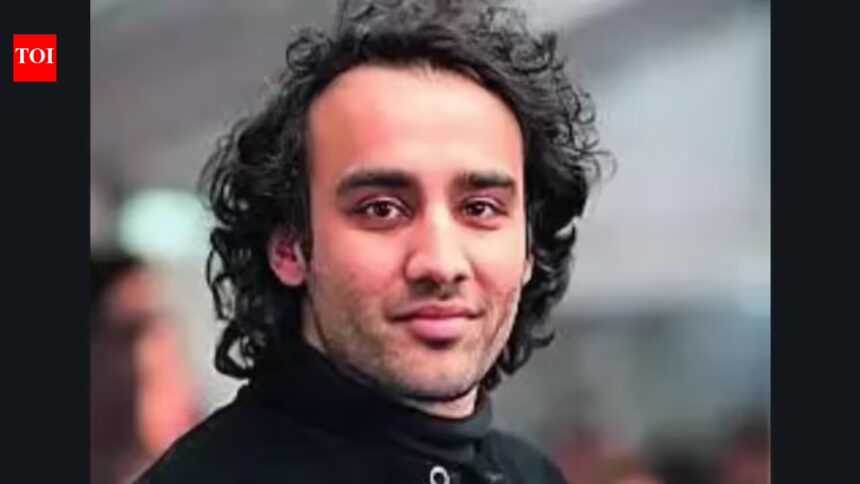
Among the notable attendees was Bilal Bin Saqib, a 35-year-old self-identified “crypto bro,” who has rapidly ascended to prominence in Pakistan due to his deepening ties with international cryptocurrency leaders. Once navigating multiple jobs to support his education, Saqib has quickly made waves in the crypto space, establishing connections with well-known figures like Changpeng Zhao, the founder of Binance, as well as influential personalities such as fund manager Cathie Wood and Bitcoin advocate Michael Saylor. He has even interacted with Nayib Bukele, the President of El Salvador, who has played a pivotal role in integrating Bitcoin into his country’s economy.
In a recent interview, Saqib celebrated the visit by Witkoff and his team from World Liberty Financial, claiming it as a vital step in “putting Pakistan on the map.” He illuminated an evolving narrative where crypto is not merely a financial trend but a means to establish trust and foster new opportunities. Saqib’s journey into the crypto world began during Bitcoin’s dramatic rise in 2017, which has since shaped his aspirations and actions.
His work began with the Pakistani government in March 2025, and he swiftly managed to convince Zhao to join as a strategic adviser to the Pakistan Crypto Council. This partnership led to discussions with World Liberty Financial that culminated in a “letter of intent” to enhance stablecoin adoption in the country.
The implications of this partnership are substantial, particularly as Trump’s business interests appear to align with Pakistan’s burgeoning virtual asset market. With an estimated 40 million crypto users and a trading volume exceeding $300 billion, Pakistan represents one of the highest adoption rates globally—an attractive opportunity for Trump’s company.
However, analysts caution that relations can be volatile. Trump has a history of swiftly shifting alliances, which could place pressure on Pakistani leaders, especially regarding geopolitical considerations. Saqib, nonetheless, appears undeterred, focusing passionately on cultivating technological skills among the youth to foster economic growth and minimize reliance on international monetary assistance.
As the landscape of cryptocurrencies continues to evolve, Saqib’s role as a bridge between Pakistani and global crypto interests could be vital in shaping the country’s economic future.