Debuting on the stock market represents a significant milestone for many companies and a complex process that can incur costs reaching millions of dollars. In the United States, hundreds of companies collectively raised approximately $70 billion by selling shares to the public in the past year. The industry is abuzz with anticipation for 2026, a year projected to potentially shatter existing records, as major players like SpaceX, OpenAI, and Anthropic consider making their stock market debuts.
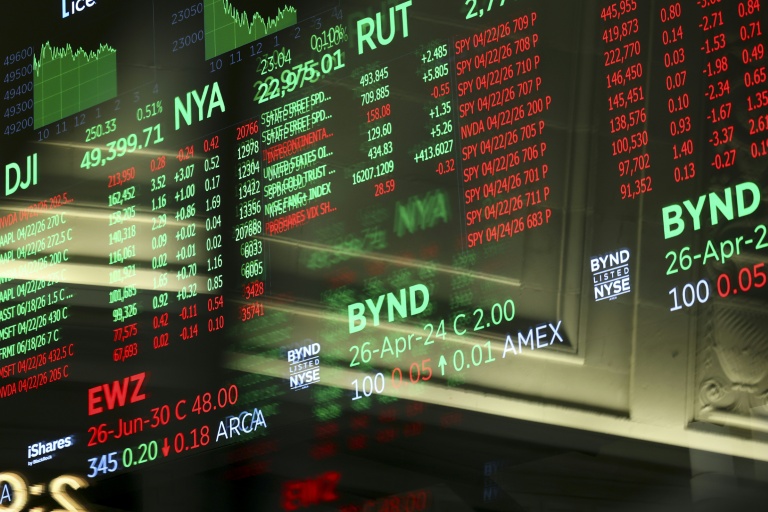
The journey toward an initial public offering (IPO) is multifaceted, typically spanning several months or even years. One of the first steps in this journey involves selecting a stock exchange. In the U.S., the New York Stock Exchange (NYSE) and Nasdaq dominate the landscape. The NYSE is renowned for its historical significance and its famous trading floor located in lower Manhattan, while Nasdaq is a fully electronic exchange that hosts many of the largest tech firms. Together, they account for nearly half of the total value of stocks traded globally. Companies must also choose a ticker symbol, a unique code that identifies their stock, varying from straightforward options like MSFT for Microsoft to more whimsical choices like DNUT for Krispy Kreme.
The next critical phase involves filing a detailed document known as an S-1 with the Securities and Exchange Commission (SEC), the U.S. regulatory body overseeing financial markets. This document serves as an extensive overview of the company’s finances, business operations, and potential risks, aiming to equip investors with the information necessary to make informed decisions. According to JPMorgan, the S-1 serves a dual purpose: registering the securities with the SEC and informing investors about the investment opportunity. The SEC reviews these filings and may issue numerous questions or comments, a process that can extend over several months. Notably, it has been reported that SpaceX is expected to file its S-1 soon.
After the paperwork phase, company executives embark on a “roadshow,” where they present their business to both institutional and retail investors across various locations, including virtual platforms. This part of the process is critical for generating interest and securing investment. For example, SpaceX is planning a special event aimed at 1,500 individual investors in June, highlighting their outreach efforts. However, not all companies successfully navigate this stage; fintech firm Clear Street recently abandoned its IPO plans due to insufficient market interest.
Determining the initial share price for the IPO can be one of the most challenging aspects of the process. According to IPO specialist Matthew Kenney of Renaissance Capital, pricing is more of an art than a strict science. Advising banks aim to maximize fundraising while ensuring that the stock price is set low enough to attract buyer interest once trading begins. An overly inflated share price can lead to disappointing demand in the aftermarket, potentially resulting in a lackluster debut for the company’s stock. Cerebras Technologies, a chip startup, faced this dilemma as it adjusted its target price multiple times before finally debuting at $185 per share, only to see its stock rise by an impressive 68% on its first day of trading.
As the IPO landscape continues to evolve, companies preparing to enter the market must navigate a labyrinth of decisions and regulatory requirements, all while striving to captivate investors and maximize their growth potential. The unfolding drama around future market debuts, particularly of high-profile names like SpaceX and OpenAI, is anticipated to be closely watched by industry experts and investors alike.