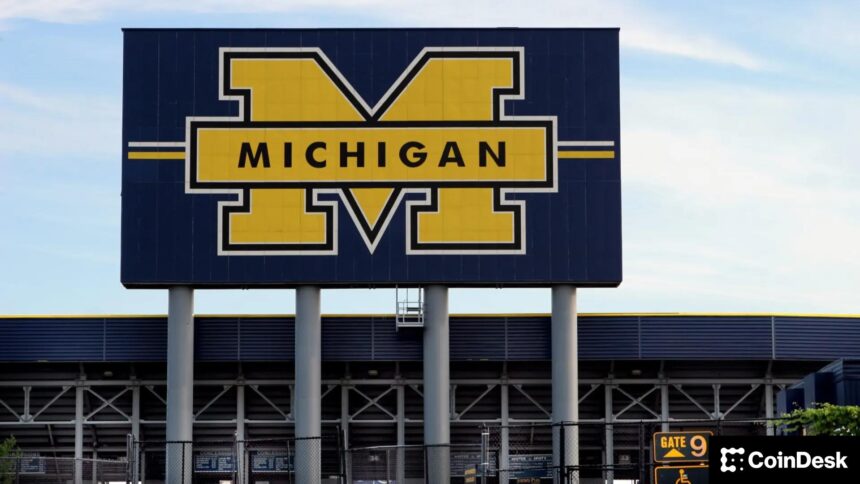
After a prolonged period of inactivity lasting seven months, Michigan’s Bitcoin Reserve Bill, known as HB 4087, has gained momentum by moving to the second reading in the state House of Representatives. This bill, which was first introduced in February, seeks to create a strategic reserve of bitcoin by allowing the state treasury to invest up to 10% of its reserves in the cryptocurrency, along with the potential to include other digital assets.
The legislation has now been assigned to the Committee on Government Operations for further consideration. If the bill passes, Michigan would join a select group of states—namely Texas, New Hampshire, and Arizona—that have already enacted laws allowing for bitcoin reserves. Notably, Texas made headlines by allocating $10 million for bitcoin purchases in June, while New Hampshire and Arizona have yet to allocate state funds for their reserves.
Furthermore, the U.S. House of Representatives has recently directed the Treasury Department to explore the feasibility and governance of a strategic bitcoin reserve. This inquiry will focus on crucial aspects such as custody, cybersecurity, and accounting standards. The increasing interest in bitcoin reserves has emerged as a notable trend as we move toward 2025, with numerous U.S. states and several countries looking to integrate bitcoin into their public finance policies. This trend is complemented by a rise in corporate adoption of bitcoin as companies increasingly include the cryptocurrency in their treasuries.
This growing institutional interest has contributed to a notable surge in bitcoin’s market valuation. The price of bitcoin has risen by 25% this year, reaching a record high near $124,500 in August, according to CoinDesk data. However, despite this growing enthusiasm, there are skeptics who continue to raise concerns about the risks associated with bitcoin’s historical price volatility.