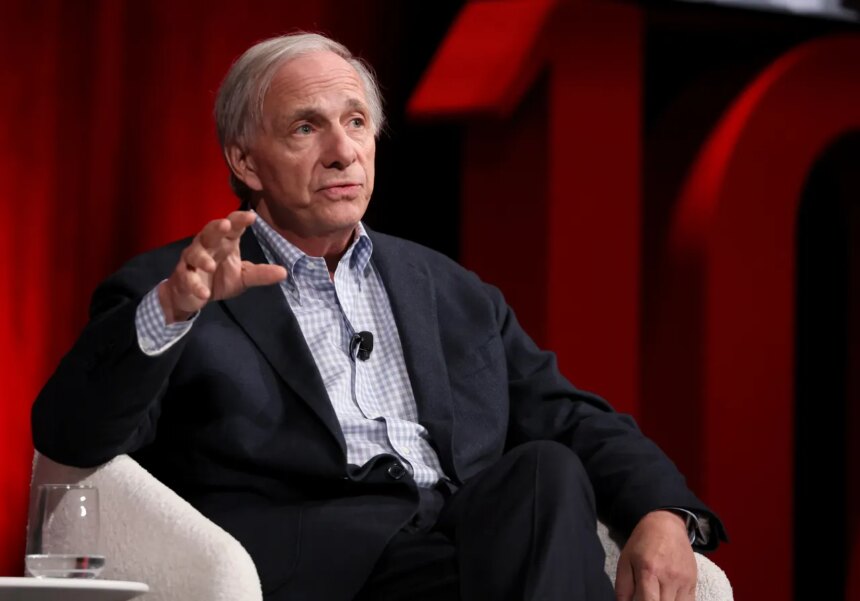
In a recent discussion at the FutureChina Global Forum in Singapore, Ray Dalio, the founder of Bridgewater Associates, expressed significant concerns regarding the United States’ financial trajectory and its implications for the global monetary system. He warned that the current U.S. fiscal policies, characterized by excessive spending and mounting debt, threaten the existing monetary order.
Dalio highlighted that the U.S. is projected to spend approximately $7 trillion this year while only generating around $5 trillion in revenue. This discrepancy, he explained, necessitates the sale of about $12 trillion in debt due to the combined impact of interest payments and the rollover of maturing borrowings. Such a massive amount of debt presents a substantial challenge, as global demand for U.S. debt may not match the supply, leading to a critical imbalance.
The entrepreneur underscored the profound implications of U.S. federal debt, which has surpassed $37.49 trillion. This figure is expected to climb even higher, particularly following the implementation of President Trump’s tax and spending legislation enacted in July that is estimated to add over $3.4 trillion to the national debt. While Trump’s supporters have claimed that increased tariff revenue could alleviate some financial strain, Dalio remains skeptical about the sustainability of these measures.
“The market in the world does not have that same sort of demand for that debt, and that creates a supply-demand imbalance,” Dalio argued, positing that these financial dynamics are reflective of broader human instincts regarding risk and reward.
Highlighting the potential deterioration of the U.S. dollar’s dominance, Dalio asserted, “You’re seeing the threat to the monetary order,” and posed the question of whether this period might signify the decline of the entire U.S. empire. His remarks coincided with modest increases in the U.S. dollar index, which edged up 0.3% amid speculation over possible Federal Reserve rate cuts later in the year.
Dalio’s concerns were echoed by fellow panelist Ng Kok Song, founding partner of Avanda Investment Management, who pointed out that the growing deficit and other challenges pose risks to the dollar’s supremacy on the global stage. In response to these alarming trends, Dalio noted that members of the Trump administration, including Treasury Secretary Scott Bessent, appear to be aware of the situation and are reportedly taking steps to safeguard the dollar’s position, although he did not disclose specific measures being considered.
Dalio’s comments have generated considerable attention and debate among investors, many of whom remain cautiously optimistic about market conditions as evidenced by bullish sentiment around major ETFs like the SPDR S&P 500 ETF Trust and Invesco QQQ Trust.
As the situation continues to evolve, close monitoring of the U.S. financial policies and their global implications will be essential for investors and policymakers alike.