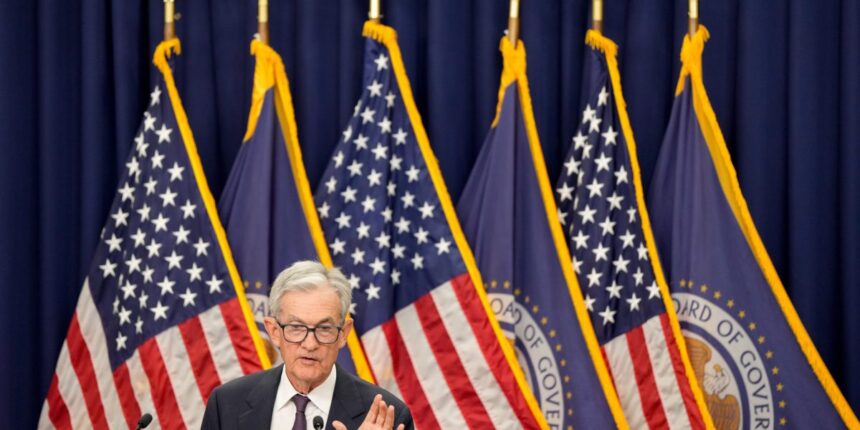
In a significant development for the Federal Reserve, Jerome Powell’s initial meeting with Stephen Miran resulted in a strong consensus among policymakers to lower interest rates by a quarter point. This shift suggests Powell’s adeptness in fostering agreement among Federal Open Market Committee (FOMC) members, despite earlier indications of potential dissent.
Prior to the Wednesday meeting, analysts anticipated a more fractured outlook, with concerns that Miran could be a dissenting voice advocating for a more aggressive half-point cut. However, in a decisive 11-1 vote, both Christopher Waller and Michelle Bowman, who had previously expressed differing views, opted to align with the majority. This left Miran as the lone dissenter, underscoring a unifying moment within the committee.
In commentary following the vote, former New York Fed President Bill Dudley remarked on Powell’s leadership, stating that he effectively maintained control over the FOMC. Dudley noted that those who might have favored holding rates steady ultimately supported Powell’s push for the cut, demonstrating a collective commitment to the central bank’s overarching mission and independence — particularly notable given the political context surrounding Trump’s influence over Fed leadership.
Despite facing pressure from the Trump administration, Waller and Bowman resisted calls for deeper cuts. Dudley praised their integrity for prioritizing the Fed’s autonomy over political demands. This sentiment was echoed by various analysts on Wall Street, who emphasized the unexpected unity in the vote margin, especially in light of Trump’s attempts to influence Fed policy.
Jeffrey Roach, the chief economist for LPL Financial, commented on the surprising decisiveness of the 11-1 decision, suggesting it reflected a level of consensus that many had not anticipated. Susan Hill, a senior portfolio manager at Federated Hermes, noted that while the White House might continue to exert pressure, the FOMC’s backing of Powell signaled a strong foundational support that contributed to his confidence during the subsequent press conference.
During his remarks after the meeting, Powell firmly addressed remarks made by Miran concerning a potential half-point cut, clarifying that there was “not widespread support at all” for such a move. He also defended the timing of the rate cut—the first since December—resisting Trump’s criticisms regarding the Fed’s responsiveness to economic conditions. Powell asserted that waiting to assess the economic landscape, including tariffs and inflation trends, was the right course of action.
Furthermore, Powell downplayed Miran’s reference to a third mandate that might involve targeting moderate long-term rates. He reiterated that the Fed’s focus remained firmly on price stability and maximum employment, which would inherently yield moderate long-term rates without necessitating an independent policy stance.
Miran characterized his initial experience with the FOMC as welcoming and collegial, acknowledging his role as an outlier but expressing optimism for future discussions. He reiterated his focus on addressing legal mandates governing the Fed but also recognized the collaborative atmosphere established among committee members.
As the Fed navigates the complexities of monetary policy amid external pressures, the dynamics of Powell’s leadership and the evolving role of new members like Miran will likely shape the committee’s direction in the coming months.