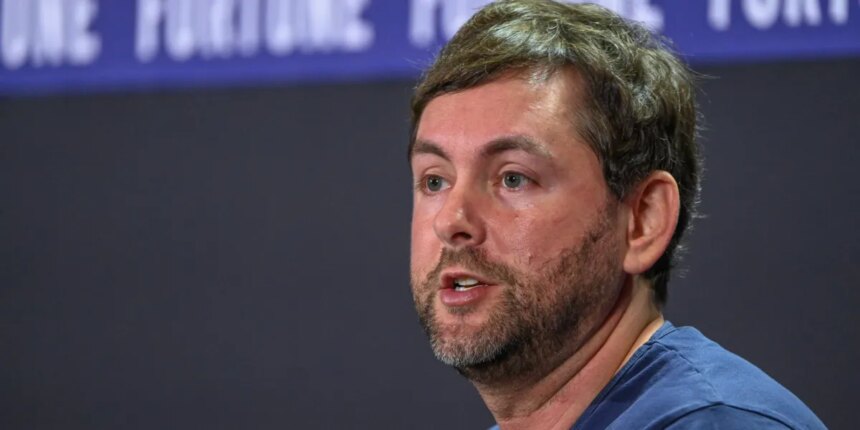
Amazon’s self-driving robotaxi subsidiary, Zoox, is making significant strides in its plans to launch fare-based rides in Las Vegas by early 2026, with San Francisco Bay Area services slated to follow in 2025. This announcement marks a pivotal moment for Zoox as it aims to compete more effectively with industry leader Waymo. The successful rollout of these paid rides hinges on securing both federal regulatory approval and state permissions, according to cofounder and chief technology officer Jesse Levinson, who spoke at the Fortune Brainstorm AI event in San Francisco.
While Waymo recently entered a partnership with DoorDash to explore autonomous food deliveries, Levinson emphasized Zoox’s commitment to transporting people within urban environments, a market he describes as “profoundly huge.” He acknowledged the complexities involved, stating that the challenges of transporting people are significant compared to automated package delivery. “It’s harder to move people around than packages in terms of what you have to do with your vehicle,” he remarked, while also noting that package delivery presents its own set of hurdles, particularly the logistics of loading and unloading boxes.
Zoox achieved a notable milestone last week, surpassing 1 million miles of autonomous rides. Currently, the company offers complimentary rides in select areas of Las Vegas, with a growing waitlist for passengers in San Francisco. However, Levinson cautioned that substantial revenue generation from these services is still a few years away, given the high operational costs associated with launching and maintaining such a sophisticated system.
“It’s pretty expensive,” he noted, while maintaining that as operational efficiencies improve, the business could become financially compelling for Amazon, the $2.4 trillion parent company. He described the future as increasingly lucrative, with revenue from robotaxi services projected to exceed operational costs.
Levinson also pointed out the fundamental difference in design philosophy between Zoox and its competitors. Unlike traditional vehicles retrofitted for autonomy, Zoox’s cars were engineered specifically for driverless operation. With features like carriage seating, individual climate controls, and dedicated screens for each passenger, Zoox aims to create a more comfortable, engaging experience for riders. He believes this architectural approach will set Zoox apart from other players in the market.
Additionally, Levinson highlighted Zoox’s innovative battery design, which offers both environmental benefits and cost savings through reduced charging needs. “The economic opportunity and the opportunity for customers as we create this whole new category of transportation is actually much more exciting and even more financially compelling than simply taking something they do today and saving a bit of money,” he stated.
As Zoox continues to develop its autonomous ride-hailing services, it remains dedicated to overcoming the complexities of urban mobility, with aspirations toward making driverless transportation a common reality in densely populated areas.