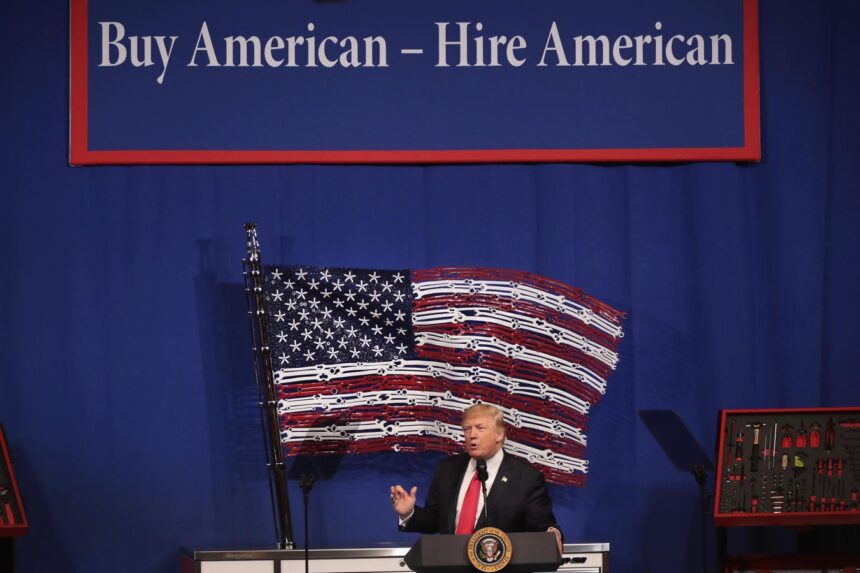
In a surprising development that has sent ripples through the tech and cybersecurity sectors, President Donald Trump signed a proclamation on September 19, 2025, imposing a $100,000 fee on all new H-1B visa petitions for foreign nationals outside the United States. The move, titled “Restriction on Entry of Certain Nonimmigrant Workers,” has drawn immediate concern and scrutiny from industry leaders and experts.
The proclamation has several key components, including an immediate implementation date and an intention to raise prevailing wage requirements. Notably, existing visa holders and renewal petitions are exempt from this one-time fee. Furthermore, the Department of Homeland Security is granted the authority to waive the fee in certain circumstances deemed in the national interest. This order is set to last for 12 months, with the possibility of extension.
Industry insiders are reacting with alarm, suggesting that this decision poses significant risks to America’s innovation landscape. A venture capitalist from Silicon Valley highlighted the gravity of the situation, stating, “This came out of nowhere and could have devastating consequences for America’s innovation engine.” There was initial confusion about the implications for existing H-1B holders, leading to widespread panic among employees and employers alike.
The Indian IT industry body Nasscom warned that the proclamation could have ripple effects on U.S. competitiveness and global job markets, as many American firms rely heavily on foreign skilled labor. While industry leaders voiced concerns over disruption, the administration framed the decision as an opportunity to redirect jobs toward U.S. citizens and bolster the domestic workforce.
The state of tech unemployment is also a point of concern. Microsoft announced over 15,000 layoffs in 2025, contributing to a total of more than 144,900 tech workers losing their jobs this year across various companies, including Meta, Google, and Amazon. Although the CompTIA unemployment report indicates a tech unemployment rate of 2.8%, this figure disguises the challenges faced by tens of thousands of highly skilled professionals currently sidelined.
Federal agencies, already shrinking under efficiency drives, have also seen personnel cuts, leaving many trained and cleared cybersecurity experts seeking new opportunities. This creates both pressure and an incentive for employers to hire from this available domestic talent pool.
The impact of the new fee structure will vary across different segments of the tech industry. Large corporations may view the $100,000 fee as a burden they can absorb, while startups and mid-sized companies could find it prohibitive, potentially prompting them to relocate operations abroad. This relocation could threaten the country’s cybersecurity posture, as critical infrastructure roles would then be managed offshore, increasing risks tied to national security.
The Trump administration argues that this policy serves multiple purposes: it encourages companies to hire American workers, raises costs associated with the H-1B program, and enhances national security by ensuring that sensitive cybersecurity roles are staffed by U.S. citizens on domestic soil. The revenue generated from these fees may also be used to fund reskilling programs and initiatives aimed at bolstering the U.S. workforce.
However, the proposal carries notable risks. The effectiveness of retraining and certification initiatives is crucial; without timely implementation, many positions may remain unfilled. Startups and immigrant-founded enterprises may struggle or move operations overseas, jeopardizing America’s standing as a prime destination for top technical talent.
Legal questions about the executive branch’s authority to impose such sweeping fees and the execution of “national interest exceptions” further complicate the policy landscape. Nonetheless, there is a potential opportunity for reintegrating the tens of thousands of unemployed U.S. tech professionals into the workforce, allowing for a shift towards higher wages and increased stability.
Ultimately, the $100,000 H-1B fee represents one of the most significant changes in high-skill immigration policy in decades. The abrupt announcement has blindsided industry stakeholders, skewing the balance between innovation, economic growth, and national security. How the United States harnesses this disruption—through investments in training and domestic talent—will be critical in determining whether this policy becomes a national advantage or a setback in the tech sector.