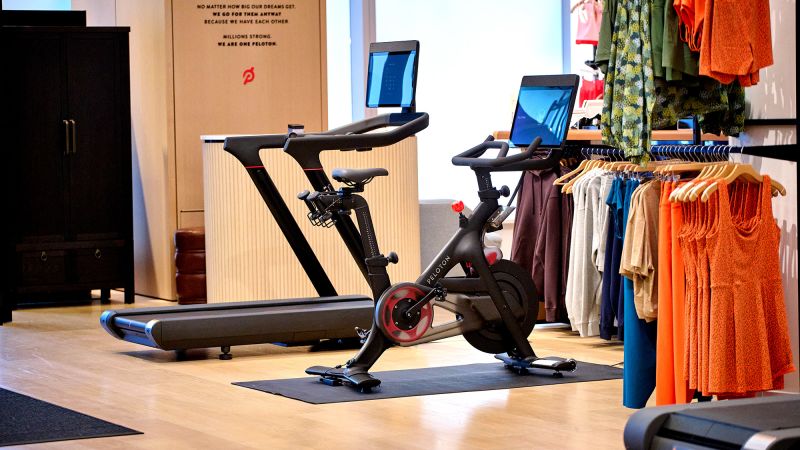
Peloton is making significant strides to reinvent its brand, introducing a comprehensive upgrade to its product lineup with a strong emphasis on artificial intelligence. The fitness company, which once experienced meteoric success, is striving to rejuvenate its growth trajectory following a period of steep declines.
On Wednesday, Peloton launched five new products, including both a budget-friendly base model and premium “plus” versions of its bike and treadmill, alongside a newly designed rowing machine. Each piece of equipment now features a rotating screen, enabling users to participate in a variety of classes, such as strength training and yoga. Enhancements include improved audio quality, better Wi-Fi performance, and a redesigned bike seat, addressing past consumer feedback about comfort.
A notable addition to the premium models is Peloton IQ, an AI-driven feature designed to offer personalized coaching by providing real-time feedback on users’ form, tracking repetitions, and suggesting optimal weights and workout plans.
However, this revamp comes with increased price points. The standard bike now retails for $1,695, marking a $150 increase; the Bike+ is priced at $2,695, up by $200; and the base treadmill has risen by $300 to $3,295. The Tread+ has seen a substantial hike of $700, now costing $6,695. Additionally, the monthly subscription fee has increased by $5, now standing at $49.99, marking the first rise in three years.
These new offerings are immediately available for purchase on Peloton’s website and are also featured in select stores like Dick’s Sporting Goods and Amazon. The integration of AI in Peloton’s products follows experimentation with the technology through the now-discontinued Guide, an attachable camera that offered feedback to users. Chief Product Officer Nick Caldwell expressed that the feedback from that product was instrumental in guiding these new developments, emphasizing the desire for deeper integration of feedback tools within the fitness equipment itself.
Caldwell believes that these innovations will attract a fresh audience, redefining Peloton as more than just a cycling company. “I think by putting strength right on the product, it makes it very clear that we’re multi-modality,” he explained, suggesting an intentional shift in the company’s identity.
These changes mark the first major overhaul under CEO Peter Stern, formerly of Ford and Apple, who is tasked with re-establishing Peloton in a competitive fitness market. This product launch is essential for expanding the company’s appeal beyond cardio activities to include strength training, particularly with the holiday shopping season approaching.
Since the peak of its popularity during the pandemic, Peloton has seen its stock value plummet by over 90%. However, shares experienced a modest uptick of more than 5% in premarket trading, instilling some optimism among analysts. Brian Nagel, a senior equity research analyst at Oppenheimer, acknowledged the potential for Peloton’s revitalization efforts, despite recognizing ongoing risks.
Under Stern’s leadership, which began in January, the company has already enacted several measures aimed at stabilizing its finances, including a 6% workforce reduction and the initiation of a $100 million cost-cutting strategy. Stern indicated that high levels of expenditure were impeding investment in future initiatives, and the cost savings would be redirected toward enhancing strength and wellness offerings.
Following a tumultuous period under former CEO Barry McCarthy, who oversaw significant layoffs and restructuring, Peloton has faced challenges, including a major product recall that resulted in a $19 million fine from the Consumer Product Safety Commission.
As part of its marketing overhaul, Peloton recently appointed its fourth chief marketing officer in just five years, signaling a need for a more effective advertising approach, especially following the discontinuation of high-profile ads that failed to resonate. A new advertising campaign is set to launch alongside the new products, aiming to better connect with consumers and drive sales.
With these strategic improvements and a clear intent to redefine its brand identity, Peloton is cautiously optimistic about regaining its foothold in the fitness industry. The coming months will be critical as the company seeks to navigate its transformation in a rapidly evolving market.