David Schwartz, the Chief Technology Officer (CTO) of Ripple, has officially announced his resignation after more than 13 years with the company. His departure, which is set to take effect at the end of this year, comes as a significant change not only for Schwartz but also for Ripple as a whole. Despite stepping down from his daily responsibilities, Schwartz will continue to play a role within the organization, serving on Ripple’s Board of Directors as CTO Emeritus. He intends to remain involved in projects related to XRP, the cryptocurrency associated with Ripple.
In a reflection on his extensive career in blockchain technology, Schwartz noted his essential role in co-creating the XRP Ledger. He emphasized a desire to spend more quality time with family and pursue personal interests, all while maintaining a connection to XRP-related endeavors.
The announcement of his resignation has sent ripples of concern throughout the XRP community. Many investors are apprehensive that his leaving could signal instability for Ripple’s future, especially as the company faces mounting competition in the rapidly evolving payments landscape.
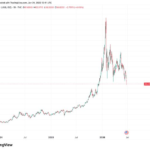
Investors, particularly those who have held onto XRP for several years, are increasingly disillusioned with the token’s performance. Amid reports of stagnant prices and lack of substantial returns, prominent XRP supporter Bitlord has voiced his frustration. Having previously encouraged followers to buy XRP “for the love of God,” he has now indicated he would sell all his holdings if the token fell back to $2. This statement underscores a growing sense of dissatisfaction among long-term holders who have yet to see the transformative gains they had hoped for.
Furthermore, the landscape for cross-border payments appears to be shifting, further complicating Ripple’s position in the market. Recently, SWIFT made headlines with its announcement of a blockchain-based shared ledger. This development raises serious doubts about XRP’s potential to become a viable alternative to SWIFT’s global payment system, a narrative that Ripple had championed for years. Financial institutions, in their quest for modernization, seem more inclined to upgrade their existing systems than to adopt new solutions like XRP.
As Ripple navigates these challenges, Schwartz has articulated that his resignation is fundamentally a personal choice. Nonetheless, he has reaffirmed his commitment to exploring new opportunities for the XRP Ledger and continuing his engagement in the blockchain sector. The coming months will likely provide more insight into how Ripple addresses these internal and external challenges following Schwartz’s departure.