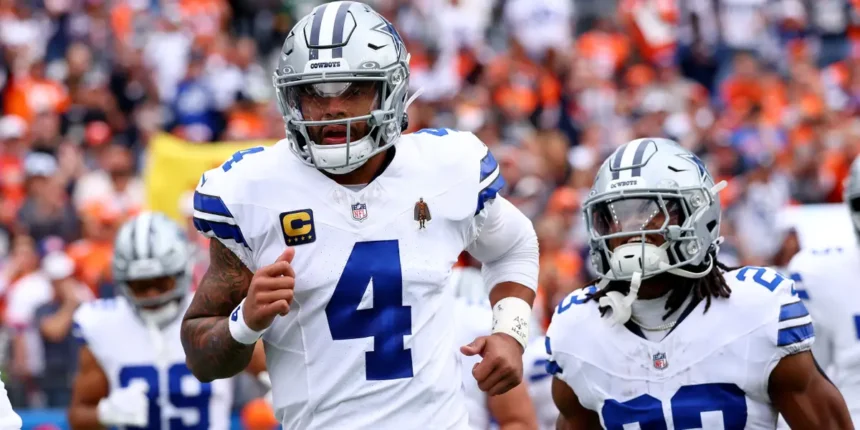
The ongoing standoff between Disney and YouTube TV has left approximately 10 million subscribers in a frustrating position, unable to watch the highly anticipated “Monday Night Football” game featuring the Dallas Cowboys against the Arizona Cardinals on ESPN. The blackout is part of a broader carriage dispute, rooted in disagreements over pricing between the two media giants.
Disney, which owns ESPN, is pushing for YouTube TV to pay what it describes as the market rate for access to its channels. However, YouTube TV argues that meeting Disney’s financial demands would necessitate a price hike for its subscribers, marking the second increase in less than a year. Consequently, subscribers have been deprived of popular programming, leading to growing discontent among viewers.
In response to the blackout, YouTube TV has indicated it will refund subscribers $20 if the blackout continues for an extended period, although the specifics regarding what constitutes an “extended period” remain ambiguous. Meanwhile, both Disney and ESPN have made attempts to rally support from viewers. Disney launched a dedicated website to present its case, offering tools for subscribers to voice their dissatisfaction. Additionally, ESPN temporarily broadcasted its flagship college football show “College GameDay” for free on the ESPN app and social media platforms to draw awareness to the issue.
Despite these efforts, YouTube TV has not budged in its negotiations, and the leverage each side holds remains unclear. Disney argues that Alphabet Inc., YouTube TV’s parent company, is leveraging its significant market power to manipulate the situation. A Disney spokesperson alleged that YouTube TV is aiming to disrupt industry-standard terms that Disney successfully negotiates with other distributors. Conversely, YouTube TV reiterates its commitment to prioritizing consumer interests, asserting that Disney’s financial demands would disproportionately affect its customer base.
As both entities navigate this conflict, the stakes are significant. Disney’s television division would endure a considerable impact without the affiliate fees generated from YouTube TV, which has rapidly become one of the largest players in the pay-TV landscape. On the flip side, YouTube TV may be a minor segment of Google’s overall revenue, but it’s vital for the company’s long-term strategy to dominate the living room entertainment space.
As the dispute unfolds, sports fans are left hoping for a swift resolution to ensure access to their favorite programming during the upcoming weekend of college football.