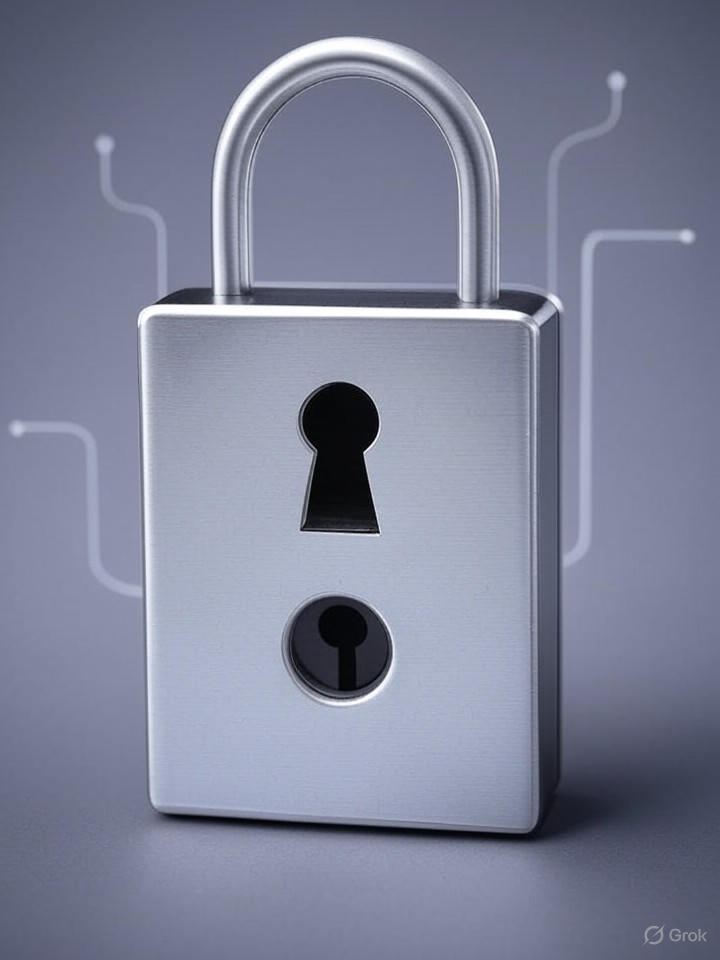
In a surprising turn of events within the cryptography community, the International Association for Cryptologic Research (IACR) has been forced to cancel its leadership election after discovering that it could not decrypt the results. The group encountered this anomaly due to a lost decryption key, highlighting vulnerabilities that exist even in highly secure systems designed by experts.
The election used the Helios voting system, an advanced platform known for its end-to-end encryption aimed at ensuring verifiable online elections. Helios operates using multiple keys—three in this case—held by different trustees to prevent single points of failure. Reports indicate that one trustee “irretrievably lost” their share of the decryption key, leading to the current predicament where the encrypted votes remain inaccessible. Consequently, the IACR board announced that the results could neither be revealed nor verified.
This incident marks a considerable embarrassment for the IACR, an organization that champions robust cryptographic protocols in various applications, including elections. The irony is palpable: a basic human error—likely stemming from a forgotten password, hardware failure, or similar oversight—has undermined an entire voting process. Social media discussions within the tech community have ranged from amusement to concern, with some comparing the fiasco to locksmiths inadvertently locking themselves out of their own store.
Delving into the mechanics of the Helios system, developed by cryptographer Ben Adida, the voting platform leverages homomorphic encryption allowing votes to be tallied without individual ballots being decrypted until the end. The IACR’s use of a threshold scheme, where the decryption key is divided among trustees, was intended to enhance security. However, if one part is lost, reconstruction becomes impossible without recovery mechanisms—none of which seem to have been established.
Experts in the field assert that while Helios is theoretically robust, key management poses a significant challenge. Industry insiders stress that “cryptography is only as strong as its operational security.” The lost key was not compromised; it simply went missing, echoing past incidents like the notorious 2010 loss of Bitcoin keys, which are now worth millions.
The IACR’s decision to cancel the election rather than resort to risky workarounds reflects its commitment to integrity. Attempts to manipulate the system could have jeopardized the very principles the organization stands for. The revisited election process, while delaying results and incurring administrative costs, is a necessary step for maintaining trust.
This situation emerges against the backdrop of increasing scrutiny surrounding election integrity. Although the IACR election isn’t governmental, it parallels larger discussions about the security of electronic voting systems. Allegations regarding encryption vulnerabilities in recent U.S. elections have sparked debates that echo the issues raised by the IACR’s difficulties.
Globally, various nations utilize similar cryptographic methods for voting; however, key loss is not unique to this situation. In one 2023 incident, a Swiss canton experienced mild controversy over a misplaced key, albeit one that was soon recovered. The current case underscores the need for improved key escrow practices, such as deploying hardware security modules (HSMs) for enhanced recovery options.
Cryptographers advocate for protocols that can support key regeneration without invalidating the overall election. Current discussions also touch upon the impending complexities posed by post-quantum cryptography and its implications for key management.
The incident likely transpired from an ordinary oversight by the trustee, such as storing the key on an unreliable device or using an unsynchronized password manager. Despite being categorized as “hyper-secure,” this instance reveals a paradox wherein complexity can magnify simple mistakes. Traditional paper ballots, while less prone to these types of errors, lack the same verifiability and modern conveniences.
The IACR’s response has been notably transparent, in stark contrast to many corporate data breaches where details are often concealed. The group has pledged to audit the incident and maintain communication through updates on their website. This commitment is significant given the global membership of the IACR, impacting researchers across academia and the tech industry.
Amidst the humor and criticism on social platforms regarding the need for better “keychains,” this occurrence has led to a reevaluation of key management training practices. Looking forward, organizations like the IACR may consider implementing duplicated keys or blockchain storage solutions, although these too come with their own risks.
Lastly, the fallout from this incident is poised to influence standards bodies like NIST, potentially leading to updates in key management frameworks that may include AI-driven systems to monitor anomalies in key usage. The IACR plans to rerun the election with additional safeguards, aiming to restore trust within its community.
This scenario serves as a stark reminder that, in the quest for secure systems, the greatest vulnerability often lies within human oversight, emphasizing the delicate balance between trust in technology and the fallibility of its users.