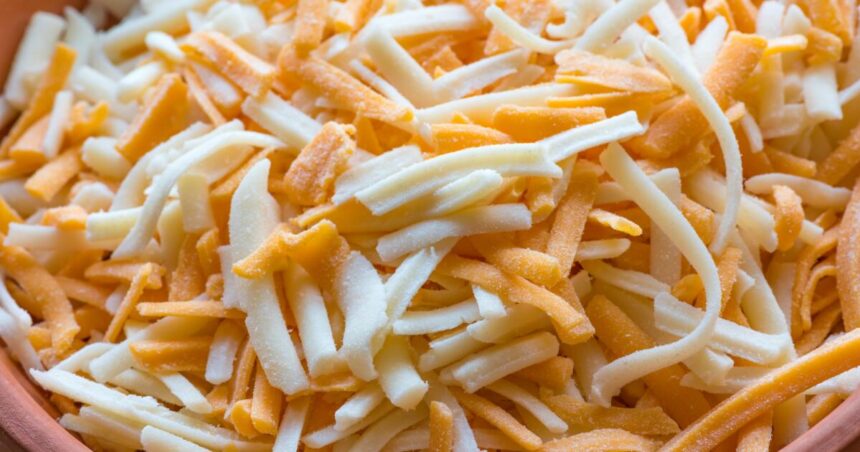
More than 1.5 million bags of shredded cheese sold at major retailers, including in California, have been voluntarily recalled due to potential metal contamination, according to authorities. The recall was initiated in early October by Great Lakes Cheese Co., an Ohio-based manufacturer, as noted in a report by the U.S. Food and Drug Administration (FDA).
The recall encompasses over 260,000 cases of shredded cheese, prompted by concerns about the possible presence of metal fragments in the products. Following an evaluation, the FDA upgraded the recall to “Class II,” indicating that exposure to the affected products could lead to temporary or medically reversible adverse health consequences. The investigation into the matter remains ongoing.
Great Lakes Cheese Co. has not publicly commented on the recall. The company promotes itself on its website as a leading manufacturer and packager of natural and processed cheese options, including bulk, shredded, and sliced varieties.
The following products are included in the recall:
- 235,000 cases of low-moisture part-skim mozzarella shredded cheese across various brands, including Always Save, Borden, Food Lion, Great Lakes Cheese, and others.
- 1,900 cases of Happy Farms by Aldi Italian-style shredded cheese blend.
- More than 15,000 cases of Italian-style shredded cheese blend, sold under brands like Great Value and Publix.
- 117 cases of Food Club finely shredded pizza-style four-cheese blend.
- Over 4,000 cases of mozzarella and mild cheddar cheese blend from brands including Econo and Gold Rush Creamery.
- More than 4,000 cases of mozzarella and non-smoked provolone cheese, along with brands like Freedom’s Choice and Simply Go.
- Over 1,800 cases of Good & Gather mozzarella and parmesan cheese blend.
The affected products have sell-by dates ranging from January to late March of the following year. A complete list of the recalled products and their UPC codes is available on the FDA’s website.
The recalled cheese products were sold in various varieties across multiple brand names at major retailers such as Target, Walmart, and Aldi. According to the FDA, they were distributed in 31 states, including California, New York, and Texas, as well as Puerto Rico.
In the event of a recall, the FDA typically advises consumers to return the product to the place of purchase for a refund or to dispose of it. Additionally, if the contaminated food product has made contact with surfaces like counters or refrigerators, the FDA suggests thoroughly cleaning and disinfecting those areas. Consumers should wash their hands with warm water and soap afterward to maintain hygiene.