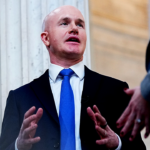
David Ellison, chairman and CEO of Paramount Skydance Corp., is making headlines with a bold move in the entertainment industry. In a direct response to the recent bidding war for Warner Bros. Discovery (WBD), Ellison announced a $30-per-share all-cash hostile bid aimed directly at WBD shareholders. This comes after Netflix secured a winning bid for Warner Bros. last week, a decision that Paramount is now challenging. Ellison expressed his determination to “finish what we started,” framing the bid as an opportunity for stakeholders to reconsider the previously overlooked offer.
Former President Donald Trump has injected himself into the debate surrounding this deal, labeling it a potential “problem” due to Netflix’s growing market share. He mentioned his intention to be involved in the approval process of the Netflix-WBD agreement. Notably, Ellison’s hostile bid appears to have gained traction, with backing from Jared Kushner, Trump’s son-in-law, as indicated in a regulatory filing. In market reactions, shares of Paramount rose by 9%, while Warner Bros. Discovery saw an increase of over 4%. In contrast, Netflix’s shares dipped more than 3%.
In a separate but significant development in the tech sector, Trump announced that Nvidia would be permitted to ship its H200 artificial intelligence chips to “approved customers” in China and other markets, contingent on the U.S. receiving a 25% cut. This announcement was made via a social media post, where Trump stated that the same terms would also apply to other companies like AMD and Intel. Following this news, shares of Nvidia, AMD, and Intel experienced gains in overnight trading. Trump mentioned that Chinese President Xi Jinping had responded positively to this arrangement. Meanwhile, House Democrats are taking proactive steps by forming a commission focused on AI, as the tech industry increasingly becomes a prominent player in Washington.
Meta, under CEO Mark Zuckerberg, is also navigating shifts in its AI strategy. The company has reportedly invested billions into this initiative, leading to confusion and an inconsistent approach internally. Originally highlighting its Llama AI models, Meta is now pivoting to a new proprietary model referred to as Avocado, indicating a significant strategic realignment. Concurrently, Apple has seen notable turnover in its executive ranks, including the departure of key figures in its AI division, though chip leader Johny Srouji reassured staff of his ongoing commitment to the company.
In a poignant agricultural policy announcement, Trump revealed a $12 billion aid package designated for farmers adversely affected by tariffs. The allocation will primarily support the Agriculture Department’s new Farmer Bridge Assistance program, which aims to provide one-time payments to row crop farmers. However, this announcement comes amidst legal setbacks for Trump, as a federal judge overturned his prior ban on new wind power projects, citing it as “arbitrary and capricious.”
On the consumer front, McDonald’s is planning a tighter oversight of its franchisees in 2026, emphasizing price alignment as part of its strategy to attract more budget-conscious customers. The fast-food giant has warned that non-compliance with new standards could result in serious penalties, including restrictions on opening additional restaurants and potential termination of franchise agreements.
In the technology arena, IBM made headlines with its acquisition of data streaming platform Confluent for $11 billion, leading to a remarkable 29% surge in Confluent’s shares following the announcement. Overall, these developments reflect a dynamic and rapidly evolving landscape across multiple sectors, from entertainment to technology and agriculture.