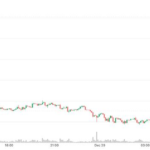
In recent commentary regarding market trends, emphasis was placed on the unusual pricing actions observed, suggesting that the recent movements may not be attributed to a single large buyer but rather a collective of buyers, resulting in a smooth transition of price. Observers noted that this price action did not indicate extreme short positions, implying a significant amount of profit-taking was occurring among traders.
As markets approach all-time highs, analysts are urged to be cautious of potential closing price reversal tops. These formations are critical in identifying market tops, especially when the market ascends without substantial resistance, relying solely on technical protections. A closing price reversal top diverges from the traditional understanding of chart patterns, requiring a key observation: the market must close lower than the midpoint of the day’s trading range and below the opening price. This pattern signifies a shift in market dynamics, reflecting a transition from buyers to sellers.
Amidst the backdrop of thin holiday markets, attention was directed towards last week’s closing price of $79.31, which is anticipated to serve as a pivotal level throughout the week. Traders are advised to exercise caution during this period of lower trading volumes, as the dynamics often complicate buying and selling decisions. Long-term investors may prefer to endure these fluctuations, while short-term speculators are encouraged to develop exit strategies to avoid costly missteps.
Contrary to prevailing narratives attributing recent price movements to geopolitical events and Federal Reserve rate adjustments, some analysts maintain skepticism regarding these explanations. They argue that historical evidence shows minimal responsiveness of silver prices to interest rate changes or geopolitical conflicts. Instead, they assert that the real driver of market behaviors is a significant supply deficit, challenging the idea that speculative actions are purely influenced by prevailing headlines.
In summary, traders and investors alike are navigating a complex market landscape characterized by potential reversal signals and fundamental supply considerations, requiring a strategic approach to both short- and long-term trading activities.