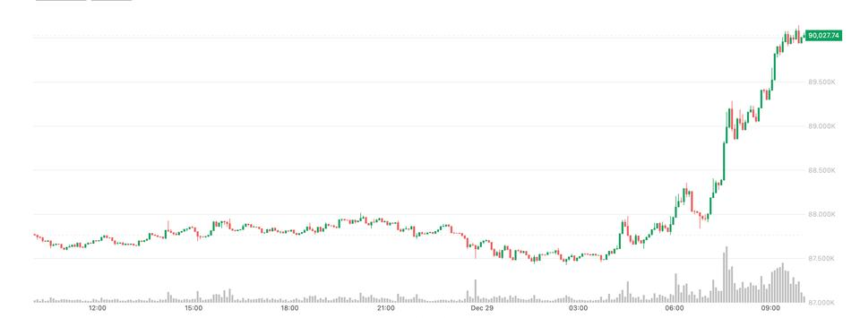
In a day marked by geopolitical tensions and fluctuating energy prices, Bitcoin experienced a notable increase, rising over 2% to surpass the $90,000 threshold. This surge in value drew attention not only to the leading cryptocurrency but also to the broader market dynamics surrounding it. Alongside Bitcoin, major alternative cryptocurrencies such as Ether, XRP, and Solana also posted gains of 3% or more, reflecting a generally positive sentiment among investors.
The rise in cryptocurrency prices coincided with a spike in oil prices, which surged as hopes for a resolution to the ongoing Russia-Ukraine conflict diminished. Specifically, West Texas Intermediate (WTI) crude increased by 1%, reaching $57.24 per barrel, while Brent crude also saw a boost, rising by 0.80% to $60.81 per barrel. These developments in the energy market underscore the complex interplay between geopolitical events and financial markets.
Asian equities displayed a cautious outlook, heavily influenced by the year-end holidays, which led to thinner trading volumes and lower market liquidity. However, South Korea’s KOSPI index defied the trend, climbing 1.7%, largely driven by strong performances from major chip manufacturers.
Tensions escalated over the weekend following military actions from both sides in the Russia-Ukraine conflict. Russia launched an attack on Naftogaz’s crucial Kherson Combined Heat and Power Plant, resulting in significant damage to infrastructure vital for the heating of numerous residents. In retaliation, Ukraine struck the Syzran oil refinery in Russia’s Samara region, inflicting damage on its primary oil processing unit.
These recent military engagements have dashed hopes of achieving lasting peace between the two nations, a sentiment that had briefly gained traction following statements made by U.S. President Donald Trump and Ukrainian President Zelensky regarding progress on a proposed 20-point peace plan. With the Russia-Ukraine war now in its fourth year, its ramifications continue to ripple through global economic conditions, contributing to rising inflation and market instability.