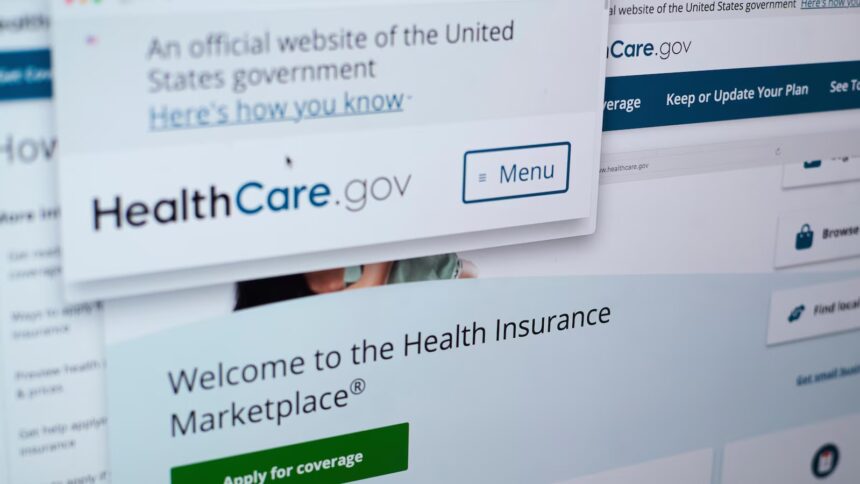
The expiration of enhanced tax credits has left millions of Americans facing significantly higher health insurance costs at the beginning of the new year. These credits, which had previously made coverage more affordable for the majority of enrollees in the Affordable Care Act (ACA), expired overnight and have drawn sharp criticism from concerned citizens.
This situation escalated political tensions, with Democrats recently instigating a 43-day government shutdown centered around the issue of health care subsidies, while moderate Republicans sought to find a solution in hopes of preserving their political futures leading into the 2026 elections. Despite these efforts, including a proposed solution from former President Donald Trump that was ultimately rescinded amid conservative backlash, the subsidies were not renewed before their expiration date.
The repercussions are particularly severe for a diverse demographic of Americans who do not receive health insurance through their employer and do not qualify for Medicaid or Medicare. This includes a sizable number of self-employed individuals, small business owners, farmers, and ranchers. As the midterm election year unfolds, health care affordability remains a top concern among voters.
Many individuals impacted by the increased costs express deep frustration. Katelin Provost, a 37-year-old single mother, articulated her discontent, stating, “It really bothers me that the middle class has moved from a squeeze to a full suffocation.” Her healthcare premium is set to rise dramatically, a sentiment echoed by others facing similar financial pressures.
The subsidies, initially put in place as a temporary measure in 2021 due to the COVID-19 pandemic, were extended to 2026 by Democrats during their previous term in power. Under the expanded provisions, many lower-income enrollees enjoyed health care at no upfront cost, while those with higher incomes had their contributions capped at 8.5% of their income. However, the recent changes mean that average premium costs for more than 20 million ACA enrollees are expected to rise by 114%.
As escalating health care costs continue to burden American families, analysts project that the expiration of subsidies could compel nearly 4.8 million individuals to forgo their health coverage entirely in 2026. This decline is particularly concerning among younger and healthier individuals, which might lead to increased costs for the older and less healthy enrollees who remain in the program.
While the enrollment period remains open until January 15 in many states, many enrolled individuals are weighing their options carefully. For instance, Stan Clawson, a freelance filmmaker and adjunct professor, has already started absorbing higher costs, his premium rising from approximately $350 to nearly $500. Meanwhile, Provost is grappling with an almost astronomical increase from $85 to nearly $750, leading her to consider dropping her own coverage and only retaining insurance for her daughter.
The urgency for a solution is palpable, especially as Democrats have made repeated attempts to extend the subsidies in light of previous Republican cuts to healthcare and assistance programs. Despite acknowledgment from some Republican leaders regarding the need for action, tangible legislative progress has been minimal.
Following the rejection of two partisan healthcare measures last December—one from Democrats to extend subsidies for an additional three years and a Republican alternative centered on health savings accounts—momentum appears to be lacking for a pathway forward. Although bipartisan discussions could lead to a renewed vote in the House, the Senate’s earlier rejection of similar proposals casts doubt on the likelihood of success.
As American citizens navigate the challenges of skyrocketing health insurance premiums, many are frustrated with the perceived inaction from lawmakers. This growing sentiment highlights a widespread desire for comprehensive reforms aimed at enhancing the affordability of healthcare across the board. “Both Republicans and Democrats have been saying for years, oh, we need to fix it. Then do it,” urged Chad Bruns, an ACA enrollee from Wisconsin, expressing the urgent need for real solutions to the healthcare crisis.