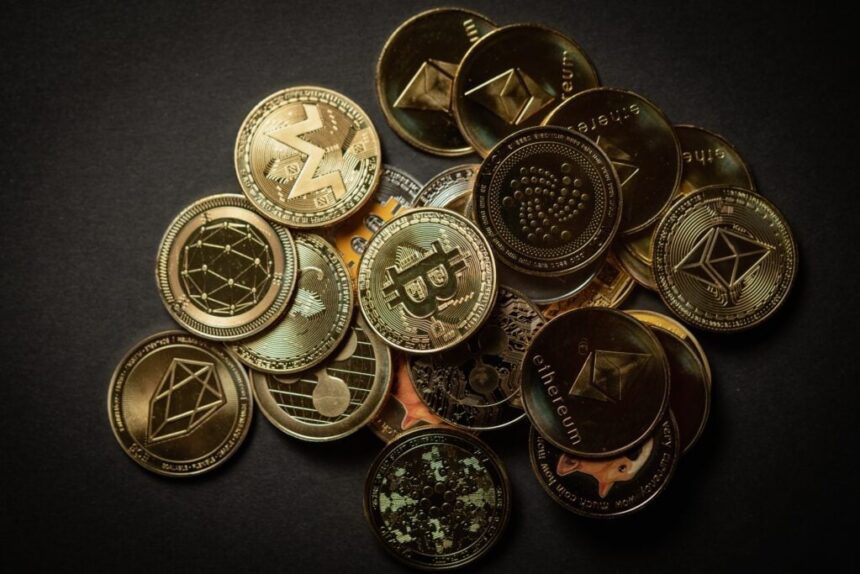
In a dramatic turn of events, the arrest of Venezuelan President Nicolás Maduro by U.S. forces has led to a significant surge in the Bitcoin and broader cryptocurrency market. Analysts are closely monitoring the potential for a major oil price shock that could reshape the economic landscape, specifically concerning the U.S. dollar by 2026.
Recent reports indicate that Bitcoin’s price has surged nearly 5% over the past three days, eclipsing the $90,000 mark. The overall crypto market has added about $100 billion, fueled by speculation about the economic ramifications of U.S. military intervention in Venezuela. As traders react to this geopolitical upheaval, some are positioning themselves for what could be an enormous market shift.
Former President Donald Trump has expressed his commitment to overseeing the country until a “judicious transition” occurs, hinting at his administration’s plans to seize control of Venezuela’s vast oil resources. Additionally, his media company has hinted at a forthcoming crypto announcement, further igniting investors’ imaginations.
Analysts forecast a staggering $17.3 trillion oil price shock, which could result in a dramatic plunge in oil prices. Equity fund manager Grant Cardone remarked that U.S. oil prices could dip below $50 a barrel in the immediate aftermath of these developments. This potential decline is expected to have a ripple effect, potentially decreasing inflation rates both in the U.S. and globally. Such a scenario could prove beneficial for Bitcoin, positioning it as a viable alternative asset amid volatility in traditional markets.
The implications of Maduro’s arrest and subsequent U.S. actions are likely to resonate beyond the Venezuelan borders, affecting global economic conditions. With Bitcoin’s rapid price increase and substantial inflow into the crypto market, the response highlights the interconnectedness of geopolitical events and financial markets.
Traders and analysts remain vigilant, monitoring further developments that could trigger additional market reactions. The unfolding situation in Venezuela is pivotal, as it holds the potential to redefine financial landscapes and investment strategies in the coming years.