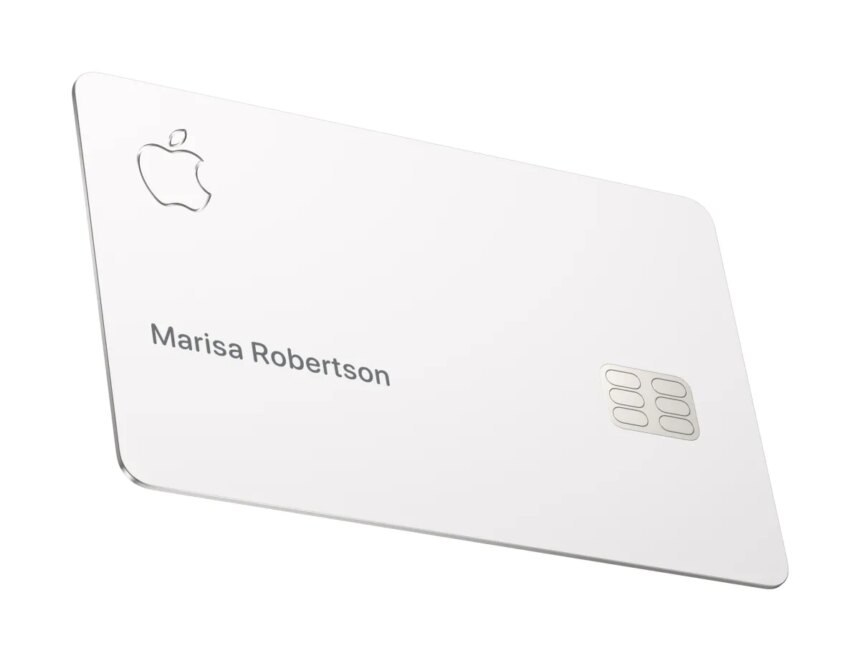
In a significant shift in its financial service strategy, Apple announced on Wednesday that JPMorgan Chase will take over as the issuing bank for the Apple Card, marking the end of its partnership with Goldman Sachs. This transition, which Apple estimates will take up to 24 months, comes as part of a broader strategy to enhance its financial offerings.
Despite the change in banking partners, the Apple Card will continue to operate on the Mastercard network for all payment transactions. This means that for current users and those applying for new cards, the experience and terms of the card will remain unchanged for the time being.
JPMorgan Chase has indicated that the deal could bring over $20 billion in card balances to its portfolio. In contrast, Goldman Sachs is reportedly offloading this balance at a substantial $1 billion discount, a decision that has broader implications for the bank’s financial outlook. Goldman Sachs anticipates a provision for credit losses of approximately $2.2 billion for the fourth quarter of 2025 in connection with this transition.
Rumors about the termination of the Apple-Goldman partnership have been circulating for several years. Reports last year suggested that JPMorgan was positioning itself to become the new financial partner for Apple, culminating in this recent announcement.
The Apple Card was launched in 2019 in collaboration with Goldman Sachs, featuring a unique offering that includes no late fees or penalty interest rates. The card provides users with attractive cashback options—up to 3% on purchases made through Apple and select partners, 2% when using Apple Pay, and 1% with the physical card.
As Apple moves forward with JPMorgan, the long-term effects of this partnership on both companies and their customers will be closely monitored, particularly in light of the financial implications for Goldman Sachs.